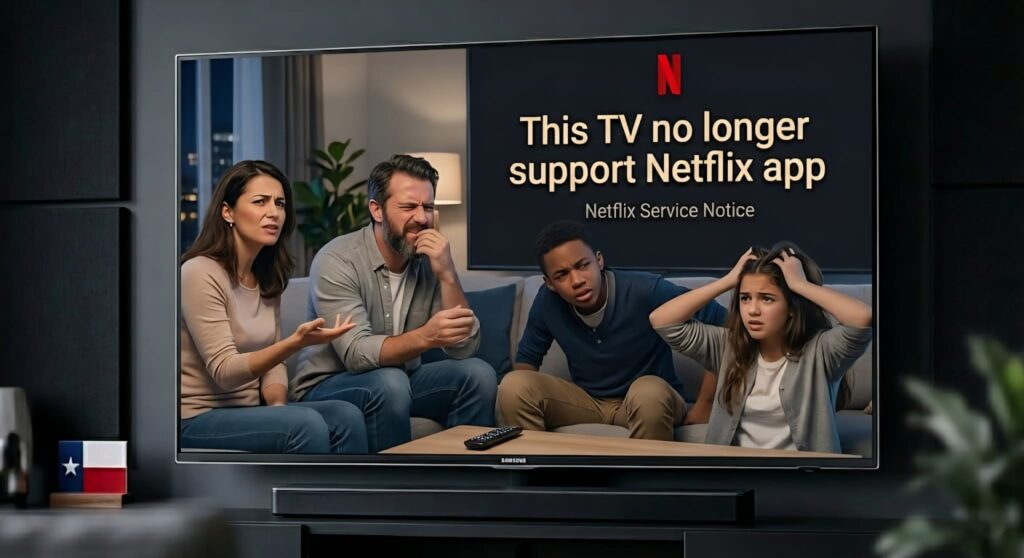
Netflix, one of the world’s largest streaming platforms with over 325 million subscribers, has quietly ended support for nearly 87 million older devices including smart TVs, legacy consoles, and streaming boxes as of March 2, 2026. This move has left millions of users unable to access Netflix on hardware they have relied on for years, triggering frustration and forcing many to consider hardware upgrades or alternatives.Full news article:
The Devices Affected and Why Support Was Dropped
Among the devices immediately impacted are the PlayStation 3 (PS3) consoles and smart TVs that are more than a decade old. Netflix users have reported seeing on‑screen warnings such as:
Unfortunately, Netflix will no longer be available on this device after March 2, 2026. Visit netflix.com/compatible‑devices to see a list of supported devices.
This signals the end of an era for many users; for example, the PS3 was one of the earliest platforms where Netflix streamed content, enjoyed for more than 15 years.
The discontinuation is generally attributed to a mix of technical limitations and security requirements. Older smart TVs and consoles often lack the processing capability and software updates needed to support modern video codecs, security protocols, and DRM (digital rights management) standards that streaming services now require.
How Many People Might Be Affected?
While “87 million devices” describes the hardware count, the number of actual users affected could be even higher because:
- Many households use more than one device to access Netflix (smart TV, game console, streaming box).
- Older smart TVs often remain in use for multiple rooms.
- Some users deliberately keep older devices because they are simple, ad‑free, or responsive compared with newer gadgets.
Industry analysts estimate that a significant percentage of Netflix’s subscriber base may need to change how they watch especially in regions with slower device upgrade cycles such as Eastern Europe, Latin America, and parts of Asia. In these areas, older hardware remains common because consumers hold on to working devices much longer than in North America or Western Europe.
What Happens Next? Costs and Compromises for Users
Many affected users now face practical decisions. The main options include:
- Buying a new smart TV: While this offers the most seamless experience, it is also the most expensive often costing hundreds to thousands of dollars. For some households, replacing a perfectly functional TV just to keep a Netflix app is a hard sell.
- Purchasing an external streaming device: Affordable streaming sticks such as Roku or Amazon Fire TV devices often retail between $15 and $40 and include support for all major streaming apps. These can breathe new life into old TVs by adding modern software support.
- Using alternative devices: Tablets, smartphones, computers, and newer game consoles (like PS4, PS5, Xbox Series X) remain compatible and can stream Netflix when connected to a TV or viewed separately.
Although streaming sticks and external boxes offer a lower‑cost solution, they still represent an unexpected out‑of‑pocket expense for many users who believed their existing devices would remain usable indefinitely. These costs are especially significant for lower‑income households, retirees, and those in markets with higher device prices.
User Reactions and Social Response
Across social media and discussion forums, user reactions vary widely:
- Some users are nostalgic, expressing sadness about losing a long‑standing compatibility, particularly with the PS3 console after many years. Many share memories of using the platform as their first way to stream TV shows.
- Others are frustrated or annoyed, feeling that Netflix is forcing hardware upgrades as a form of vendor lock‑in. Critics note that older devices sometimes provided a simpler, ad‑free experience compared to newer smart TVs. �
Legal and Consumer Rights Implications
This change, while broadly within Netflix’s rights, raises consumer protection questions in several markets. Key legal issues include:
Transparency and notice: Did Netflix provide sufficient advance time and clear notifications to users whose devices were losing support? Consumer protection laws in some regions might require more explicit notice.
Fair marketing: If companies marketed certain devices as “compatible with Netflix” without mention of future end‑of‑service requirements, users could argue that they were misled potentially triggering regulatory reviews in certain jurisdictions.
Equity concerns: Policies that disproportionately affect lower‑income or older populations may attract scrutiny from consumer advocacy groups and regulators. Global regulators are increasingly focusing on transparency in tech services and hardware life‑cycle disclosures.
While no major lawsuits have yet been filed specifically over this shift, it could set the stage for future legal discussions about how long software makers must support devices they previously endorsed.
A Larger Trend: Software Over Hardware Lifespans
Netflix’s decision reflects a broader trend in consumer technology:
- Companies increasingly prioritize software efficiency, security, and content protection over backward compatibility.
- Older hardware, even if functionally usable, falls behind due to inability to support new standards.
- Consumers are confronted with the reality that hardware longevity alone no longer guarantees service continuity.
This trend parallels observed shifts in other connected tech devices, from phones to game consoles, where services eventually depart aging hardware as newer platforms emerge.
Why This Matters for the Future of Streaming
This development highlights a bigger question for consumers:
When you buy a TV or device, to what extent can you expect continued access to services like Netflix — and for how long?
Streaming services are now integral to how people consume media, but access is increasingly defined by compatibility with modern software ecosystems. The era when a decade‑old TV could reliably stream content may be drawing to a close.
What Do You Think? We Want Your View
This change affects millions globally, and it’s reshaping expectations about device longevity and consumer rights.
- Have you been impacted by Netflix no longer working on your TV or device?
- Did you replace your hardware or buy a streaming stick?
- Do you think companies should support older devices longer, or is this a natural part of technology evolution?
Share your experiences in the comments, your perspective matters.