
After several years of volatility, the tablet market has stabilized and carved out a clear role for itself. Tablets are no longer positioned as full laptop replacements. Instead, they now occupy a middle ground: versatile devices capable of both productivity and entertainment.
This market is largely defined by three dominant players:
- Apple, the clear market leader with the iPad lineup, emphasizing the strength of its iOS ecosystem and the extensive library of tablet-optimized apps.
- Samsung, with the Galaxy Tab series, offering a powerful Android-based solution that focuses on premium displays and stylus integration.
- Xiaomi, through its Redmi brand, concentrating on delivering strong hardware, aggressive pricing, and exceptional value.
Other manufacturers are considered as secondary players with smaller shares.
The demand for tablets that support productivity-enhancing accessories such as keyboards and styluses, is steadily growing . This reflects a broader shift in how they are used: not just for watching Netflix on the couch, but as tools capable of supporting real work. This is exactly where the Redmi Pad 2 Pro enters.
Redmi Pad 2 Pro
The Redmi Pad 2 Pro does not attempt to compete directly with flagship devices like the iPad Pro or Galaxy Tab S Ultra. Instead, Xiaomi positions it as a smart alternative: a tablet that combines a large, high-quality display, modern hardware, massive battery, a contemporary Android interface, and perhaps most importantly, true keyboard support at an accessible price point.
In essence, Xiaomi markets this device for users who want more than a content consumption tablet, but who are not willing to pay premium flagship prices.
Design
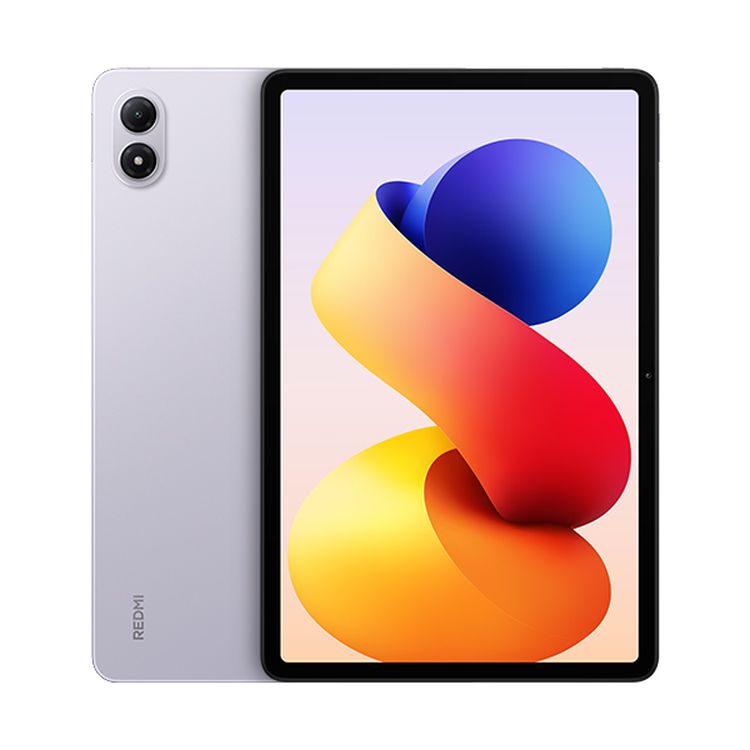
The Redmi Pad 2 Pro represents nothing less than a clear step forward in design language compared to the original Redmi Pad, which I reviewed back in 2022.
Where the first generation felt like a typical home tablet with a clearly consumer-oriented identity, the current model adopts a more serious and mature aesthetic. The device now carries a noticeably more premium appearance, one that feels just as appropriate on a work desk as it does on a living-room sofa.
The unified aluminum body contributes to a significantly more solid feel. Flex is reduced, grip feels more secure, and the tablet immediately conveys a higher sense of quality the moment you pick it up.
The bezels are thin and well balanced, with symmetrical borders that not only improve aesthetics but also enhance usability when the tablet is used horizontally—the orientation in which it is clearly designed to be most productive.
Compared with the previous model, the overall impression is far less “toy-like” and much more like a genuine productivity tool. The larger size and smarter weight distribution help avoid the clumsy feeling that often accompanies large tablets.
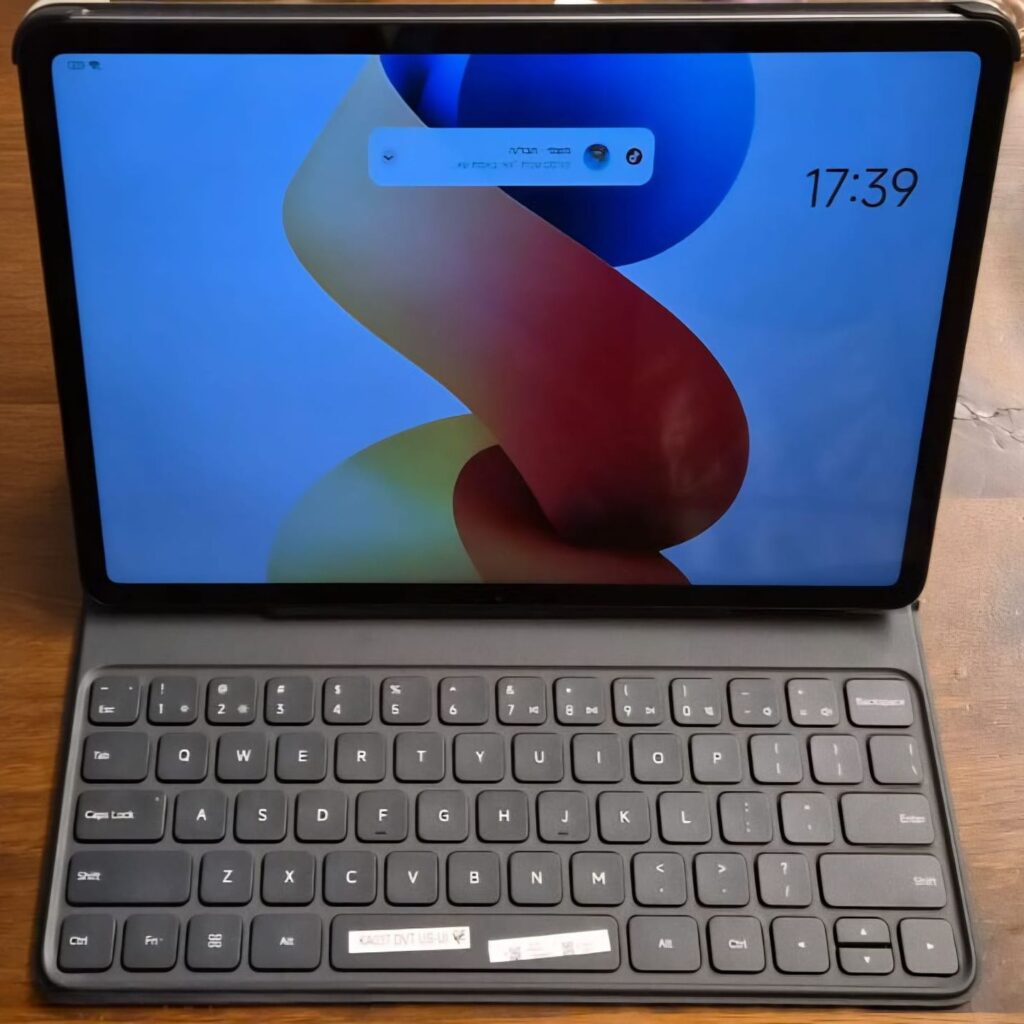
The accompanying keyboard continues this design philosophy. Rather than feeling like a secondary accessory, it behaves as an integral part of the device. The connection between keyboard and tablet is precise, stable, and clearly engineered from the outset—not an improvised add-on solution as seen in some competing devices.
The keyboard attaches to the tablet via three contact points and serves two functions:
- As a protective screen cover when closed
- As a stable working base when opened
Unlike the earlier generation, which essentially had no concept of the tablet as a work device, this design clearly considers opening angles, desk stability, and prolonged use.
Visually, the keyboard adopts a minimalist design that matches the tablet’s color scheme, reinforcing its functional and cohesive look.
While it does not feature the sophisticated hinge mechanisms found in premium devices like the iPad Pro, the implementation feels appropriate for the product’s price range and target audience. It is practical, well thought out, and genuinely useful.
This represents one of the most significant differences compared with the Redmi Pad (2022): the transition from a purely consumption-focused tablet to a device capable of supporting creation and productivity.
Display
Compared to the simple display on the first Redmi Pad , the screen on the Redmi Pad 2 Pro becomes a central pillar of the entire user experience.
The tablet features a 12.1-inch display with 2.5K resolution (2560 × 1600 pixels) and a pixel density of 249 PPI. Beyond offering more workspace, the display is also noticeably sharper and expands what the tablet can realistically be used for day to day.
The jump from the previous 10.6-inch screen is immediately noticeable, especially when working with split-screen apps such as documents alongside web browsing.
The 120Hz refresh rate contributes to a particularly smooth experience, not only when scrolling but also when switching between applications. Compared with the previous generation’s 90Hz panel, the upgrade feels significant and aligns the tablet with expectations in a maturing market.
Display quality overall is high. Colors are rich without appearing exaggerated, sharpness supports comfortable long reading sessions, and Dolby Vision support adds depth when viewing compatible content.
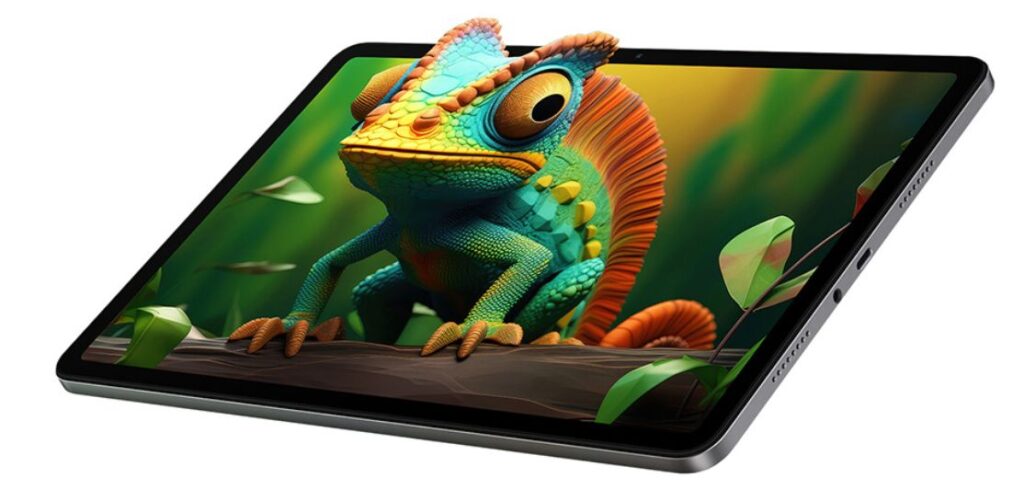
The brightness of 500 nits does not break records, but it is more than sufficient for indoor use and typical office environments, even with moderate direct sunlight.
Compared to the previous model, it’s clear that this display was designed for genuine productivity rather than just casual media consumption. In my experience, it feels large enough to begin entering the territory traditionally occupied by lightweight laptops.
Hardware
One of the most substantial upgrades over the original Redmi Pad lies at the heart of the system.
The tablet is powered by the Snapdragon® 7s Gen 4 Mobile Platform, paired with 6GB or 8GB of RAM, and 128GB or 256GB of internal storage, allowing users to choose a configuration that matches their budget.
Importantly, the device also includes microSD expansion up to 2TB. Unlike Apple’s tablets—where users must rely solely on internal storage—the Redmi Pad 2 Pro offers flexibility for expanding storage over time. It runs Android 15 with Xiaomi’s latest interface, HyperOS 2.
User Experience
In everyday use, the tablet proved to be both fast and stable.
Running multiple applications simultaneously works well, and games run smoothly enough to provide a solid casual gaming experience. This is not a dedicated gaming console, of course, but performance is more than adequate.
Compared with the first generation, the improvement in both raw power and overall system maturity is substantial.
In my opinion, HyperOS 2 is one of the device’s strongest assets.
The interface allows users to work with multiple windows simultaneously and offers integration with other Xiaomi devices. It feels lighter and more responsive than the older MIUI interface used in the past.
While the tablet does not offer a full desktop mode comparable to Samsung DeX, the experience comes surprisingly close when used with the keyboard attached.
Keyboard
The accompanying keyboard is arguably the tablet’s most important value-adding accessory. It is the element that transforms the device from a good tablet into a tool suitable for real work.
The keyboard features a full key layout, and the key travel provides a comfortable and reasonable typing experience. The Bluetooth connection between the keyboard and tablet remains stable, and the keyboard doubles as a protective cover.
With it attached, users can comfortably write emails and longer documents, effectively turning the tablet from a leisure device into something that can support academic work or light business use. Yet one should lign expectations, as this is not a premium laptop keyboard, however performs its role well.
Battery
The 12,000 mAh battery is particularly impressive compared with many competitors. In my usage, I was able to get through a full workday and still watch several episodes of a TV series in the evening without needing to recharge.
Charging is relatively fast with 33W charging, and the tablet also supports reverse charging, allowing it to function as a backup power source for other devices.
Audio
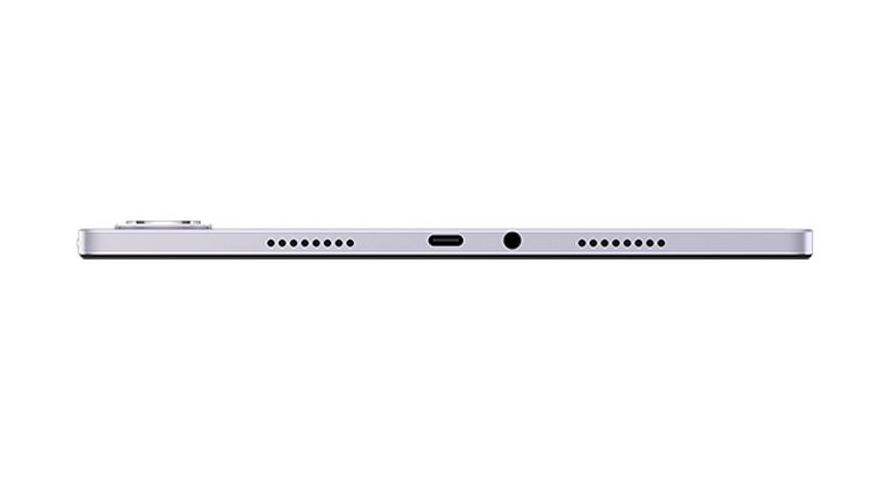
The Redmi Pad 2 Pro includes a quad-speaker system with Dolby Atmos support. In practice, the result is satisfying.
While it obviously cannot replicate a full home theater Atmos setup, the sound easily exceeds expectations for watching movies and series or for occasional music listening.
Cameras
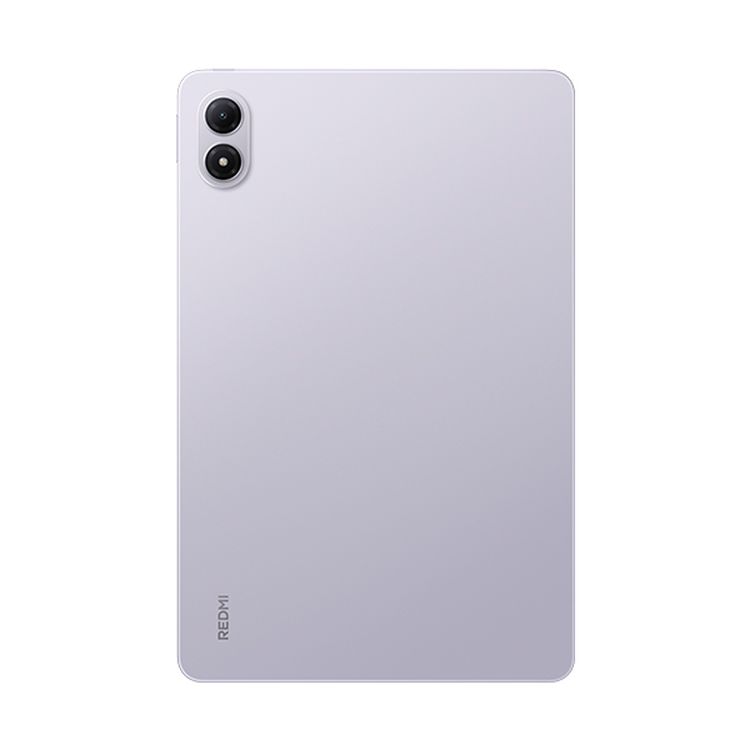
The cameras integrated into the tablet are functional rather than ambitious. They are designed primarily for video calls, document scanning, and occasional casual photography.
This is entirely expected for a device in this category and is not a meaningful drawback.
Both the front and rear cameras are 8 megapixels, capable of recording 1080p video at 30 frames per second.
Connectivity
Despite being a relatively new device, connectivity includes Wi-Fi 6 rather than the newer Wi-Fi 7 standard, which has been available for some time. On the other hand, Bluetooth 5.4 support is fully up to date.
Conclusion
Throughout my time using the Redmi Pad 2 Pro, it felt like a tablet that understands the needs of a broad mainstream market: reasonably priced, yet capable of balancing productivity and entertainment.
In my experience, it is particularly well suited for students, light work, and everyday multitasking.
Anyone looking for a tablet with keyboard support, without luxury branding or premium flagship prices, will likely find this device appealing.
On the other hand, it is less suitable for those seeking a full laptop replacement, professional photography capabilities, or heavy graphical workloads.
Taking everything into account, the Redmi Pad 2 Pro stands out as one of the most compelling mid-range tablets of 2025.