
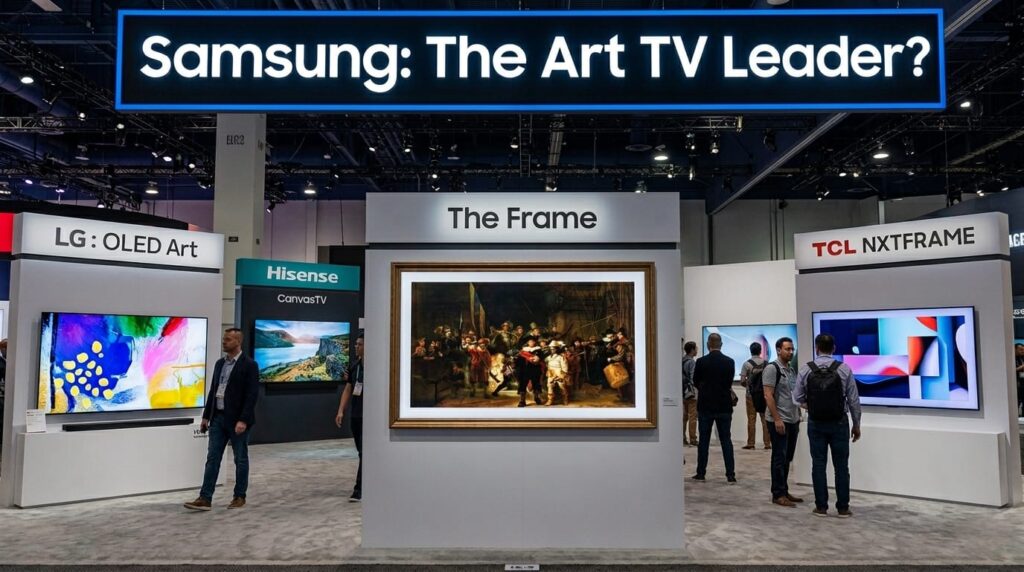
When Samsung introduced The Frame TV, it didn’t just launch another model, but helped define a new category of televisions where form and function merge with fine art.
Rather than leaving a dark blank screen when idle, The Frame transforms into a personal gallery piece, showing curated artwork or personal photos that blend seamlessly into living spaces.
This concept, while simple in idea, was genuinely innovative in execution: the TV becomes not just a media center, but a design statement, a blend of technology, art, and interior aesthetics.
Today, competitors such as TCL and LG are entering this space with their own interpretations, signaling that the art‑TV segment has become more than a trend. It’s a new lifestyle category in TV design.
Samsung The Frame: The Original Art TV
Since its launch, Samsung The Frame has pioneered what came to be known as the “Art TV” category. The product uses a special display mode called Art Mode that shows artwork from Samsung’s curated Art Store whenever the TV isn’t actively playing video content, effectively turning the screen into a digital canvas.
The Samsung Art Store includes a large gallery of artwork from museums and artists worldwide, as well as access to rotating artwork through Art Store Streams.
The Frame also includes design elements that support its museum‑like picture. With an anti‑glare matte display, custom frames for matching interior decor, and sensors that automatically adjust brightness or switch off the display when the room is empty. This combination gives The Frame its reputation as “a TV that looks like a picture frame.”
Unlike conventional TVs, this broad Art‑Store ecosystem and meticulously curated art library, combined with display and sensor technologies, yielded a product experience that resonated with design‑minded consumers and interior aesthetics buffs.
TCL’s NextFrame: Affordable Style Meets Curated Art
Last year, TCL entered the art‑TV arena with its NXTFRAME series, also called NextFrame or A300 Series, which embraces similar goals: to turn a television into a gallery display.
TCL’s implementation involves a built‑in app called T‑Exhibition that lets users choose from curated artwork categories or generate AI‑driven art directly on the TV. NXTFRAME supports also personal photos via Ambient Mode and Google Photos integration.
TCL uses a matte screen display with a nanocrystal coating that diffuses reflections and improves colour consistency, creating a more art‑like texture similar to painted canvas.
Unlike Samsung’s Art Store, TCL’s art offerings are inherently tied to TCL’s curated galleries and AI options, rather than a broader global catalog of licensed artworks.
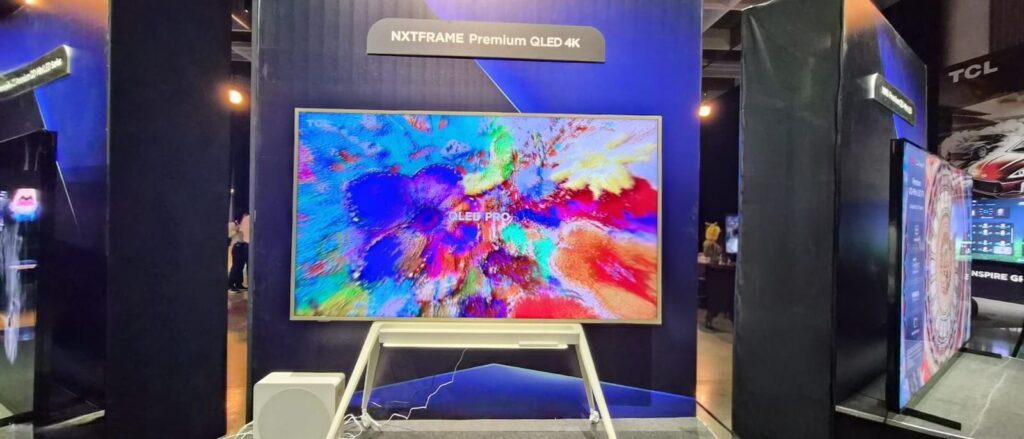
While TCL’s approach gives users the flexibility to display high‑quality design‑style visuals or personal collections, the overall size and variety of the art collection, particularly in terms of famous masterpieces, remains smaller and less established than Samsung’s mature Art Store ecosystem.
That said, TCL’s strategy is not just imitation. The inclusion of AI‑generated art and integration with Ambient Modes suggests a slightly different interpretation of “digital artwork” that resonates with younger or creative users who value generative visuals alongside iconic paintings.
LG Gallery TV and Gallery+: A Curated Art Canvas
The most recent contender in the art‑TV market comes from LG, which is debuting the Gallery TV at CES 2026. This model is positioned as a digital canvas that combines curated art with advanced picture processing and design optimization.
LG’s Gallery TV focuses on several notable elements:
- Gallery Mode, developed in collaboration with museum curators, which optimizes colour accuracy and brightness to better reproduce the look and feel of physical masterpieces.
- Built‑in anti‑glare materials and automatic ambient light adjustment to maintain clarity and reduce reflection, similar to The Frame but adapted to LG’s hardware.
- Integration with LG Gallery+, a subscription‑based platform offering access to an extensive library of more than 4,500 pieces of content, including fine art, cinematic visuals, animations, and generative AI creations.
- The ability for users to create personalized visuals or display their own photo collections, blending curated and personal content.
LG’s take differs from Samsung’s primarily in the breadth and context of its visual library and adaptive display technology. Gallery TV’s adaptive brightness and colour optimization aim to mimic traditional art viewing conditions, positioning the display not just as a screen that looks like art, but one that dynamically responds to its environment for more authentic presentation.
| Feature | Samsung The Frame | TCL NXTFrame | LG Gallery TV |
| Art Library Size | Thousands of curated artworks via Art Store | Hundreds, curated & AI art | 4,500+ via Gallery+ service |
| Peronal photos | Yes | Yes | Yes |
| AI Art Generation | Limited/None | Yes | Yes, optional |
| Anti Glare/ Matte Display | Yes | Yes | Yes |
| Adaptive Brightness | Yes via light sensor | No | Yes |
| Subscription option | Samsung Art Store required for full library | Not required for basic art options | Gallery+ subscription |
| AI & Custom Tools | No | Yes | Yes |
This comparison illustrates that while Samsung remains the early category leader with its comprehensive art ecosystem and refined presentation, TCL and LG each bring different strengths:
TCL offers AI‑driven art and a more accessible entry point, appealing to users who want creative flexibility and less dependency on subscriptions.
LG emphasizes curation and adaptive display technology, aiming to replicate real‑world art viewing conditions with dynamic brightness and professional colour calibration.
Is This Innovation or Imitation?
Samsung’s The Frame set the precedent in blending art and television, turning a digital display into a permanent design element in homes. That original vision emphasized presentation first, technology second. The mature Art Store and array of licensed works make it a compelling choice for anyone who truly wants a living room gallery effect.
TCL’s NXTFRAME approach shows that the concept is now mainstream, but it also highlights the difference between inspiration and replication.
TCL’s art collection and presentation are creative and flexible, but not yet as wide or recognised as Samsung’s deep library.
LG, on the other hand, appears to blend innovation and competition, with Gallery TV’s adaptive display calibration and Gallery+ service offering a sweeping collection of thousands of artworks and visuals, plus tools to personalize those experiences.
Ultimately, the rise of art‑style TVs reveals that the living room display has become more than a gadget. It is now part of personal expression, interior design, and visual culture.