

There’s something almost universal about relationship dynamics: one person wants to watch TV, the other wants quiet. One falls asleep early, the other is just getting into a gripping episode. And if that’s not enough, there’s always that one small issue waiting to spark a disagreement. In that sense, TV headphones aren’t just a piece of tech, but also a tool for domestic harmony. An elegant solution that lets everyone stay in their own world without disturbing anyone else.
Beyond the humor, there’s a real need here. Many people, especially older viewers, struggle to follow dialogue on TV. The music is too loud, sound effects overpower speech, and the classic solution of turning up the volume only disturbs everyone else. Dedicated TV headphones make it possible to focus on dialogue, hear more clearly, and control volume on a personal level.
Then there are people like me who simply enjoy headphones for the superior sound quality compared to what comes out of today’s ultra-thin TVs. The sense of focus and direct sound isn’t just functional, but an experience.
A Personal Story: 18 Years with the RS 170
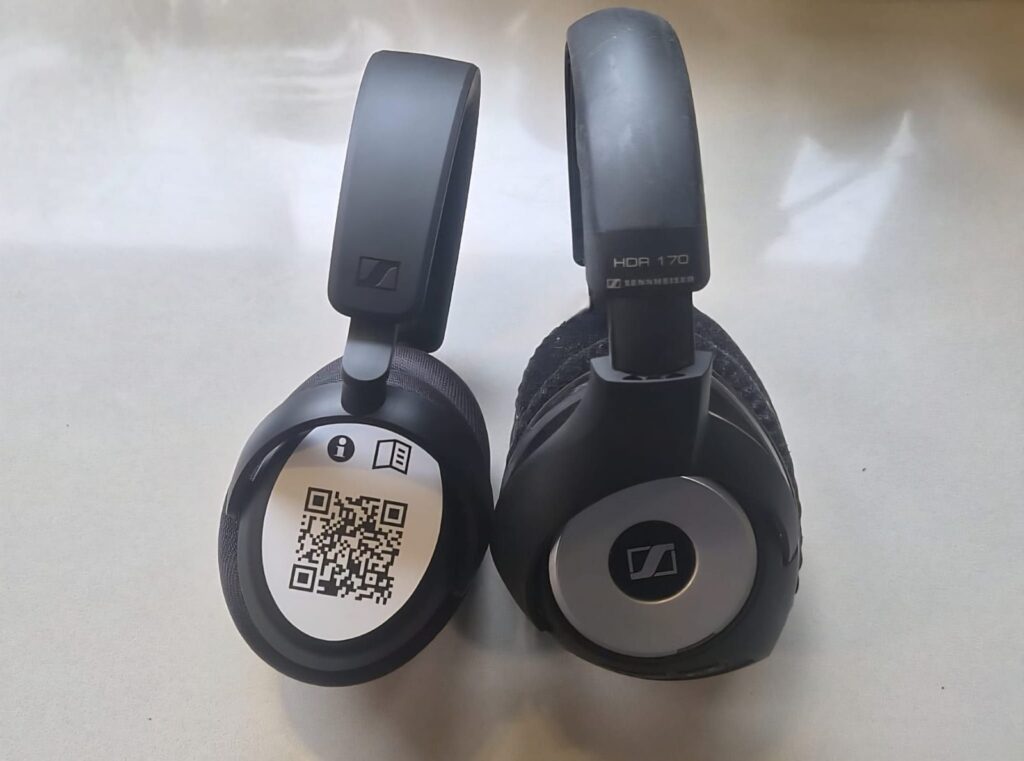
I’ll admit it, I’m a bit of a TV headphone enthusiast. Back in 2008, during a trip to Switzerland, I walked into an audio shop and bought the Sennheiser RS 170. It was a deliberate purchase: I knew the brand offered higher-quality solutions than most, especially in wireless transmission.
Fast forward about 18 years, and those headphones are still working and serving me faithfully. Their technology delivered stability, impressive range, and no noticeable delay.
But the world has moved on. So when I came to test the new RS 275, my question was simple: is this a real leap forward, or just a cosmetic refresh?
In the Box
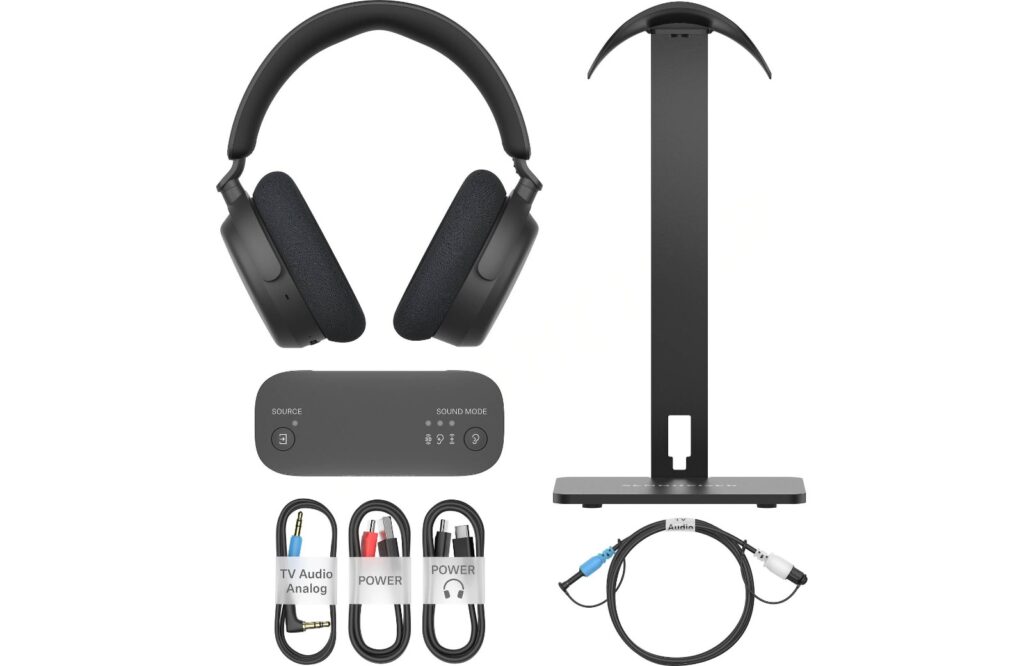
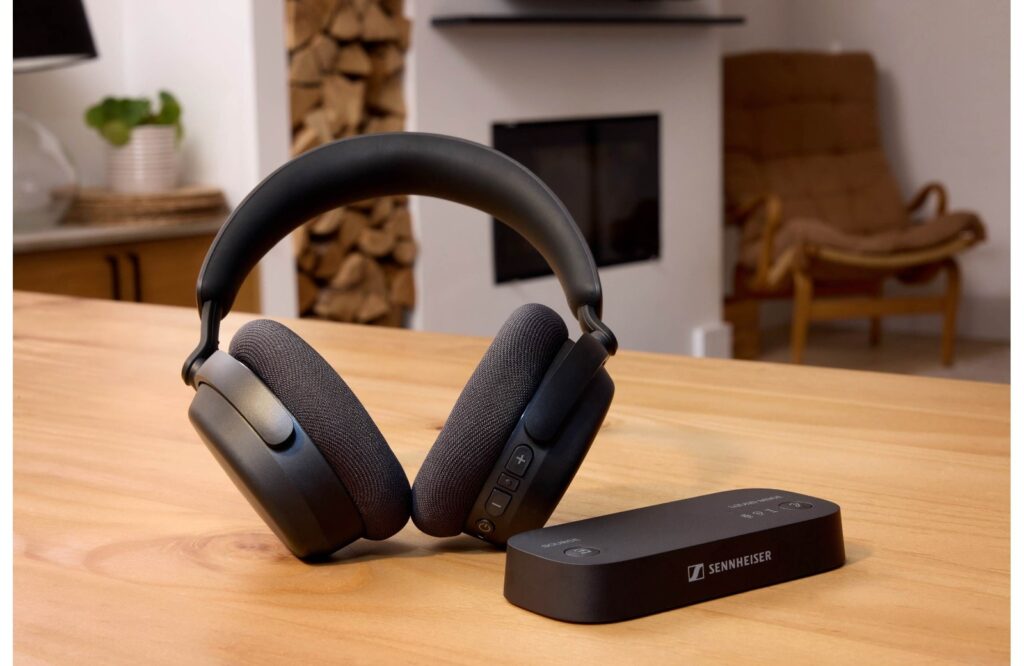
The packaging is generous. Alongside the headphones, you get a stand, a transmitter, and a variety of cables to ensure compatibility with your TV.
Design
At first glance, the RS 275 retains the DNA of the series. These are closed-back over-ear headphones with a wide headband and large ear cushions. The padding is softer and more comfortable than the previous generation, using high-quality synthetic materials that provide better isolation and long-term comfort.
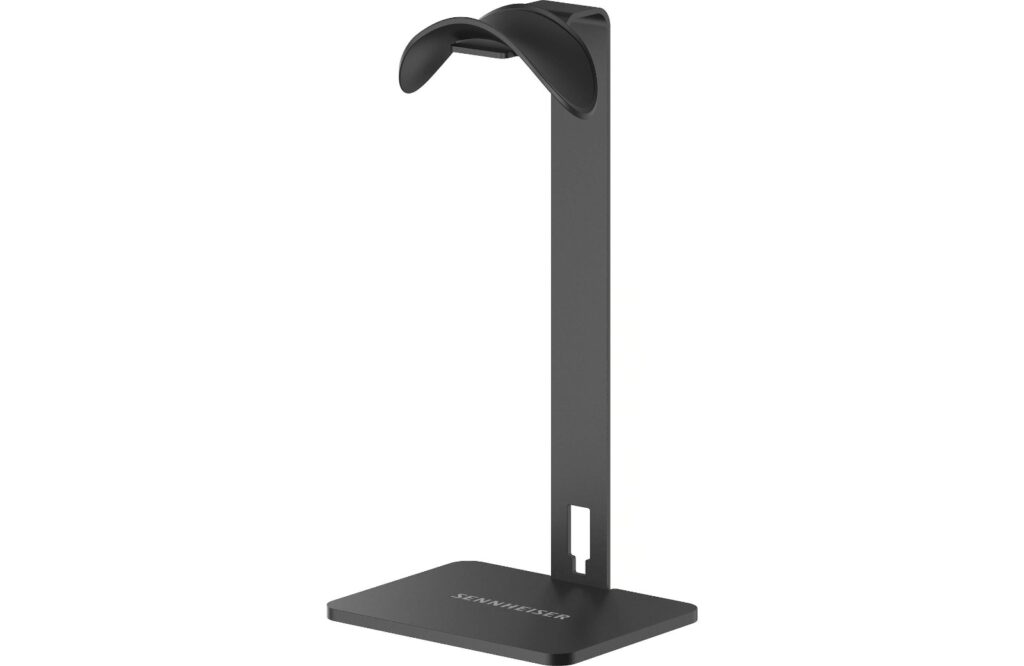
They still feel like plastic in hand, but not cheap. This is reinforced, lightweight plastic designed for extended use rather than luxury aesthetics. Unlike the RS 170, where the stand also functioned as an integrated transmitter and charging dock, the RS 275 uses the stand primarily for storage. Charging is done via USB-C, either from the transmitter or an external charger.
At the base of the station sits the transmitter. On the left is a pairing button, and on the right are the connections:
- Analog and optical audio inputs
- Power connection
- HDMI ARC for direct connection to modern TVs
This makes the station both a bridge between your TV and the headphones and a central hub—a clean, practical solution.
Technical Details
This is where one of the most important upgrades comes in. The RS 275 moves away from traditional RF transmission and adopts Bluetooth 5.4 with LE Audio and Auracast, using the LC3 codec via the dedicated BTA1 transmitter.
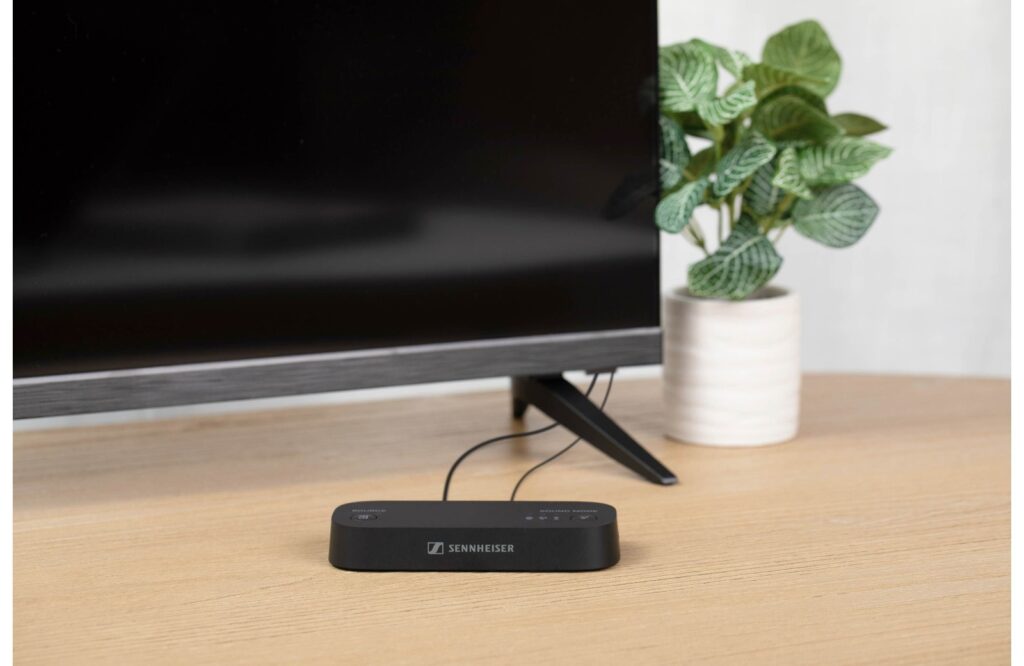
I found the result as stable transmission with extremely low latency and precise audio-video sync. Range can reach up to about 50 meters (160 feet) under optimal conditions, and in real-world use, delay is virtually unnoticeable, critical for TV viewing.
Battery life is excellent. Sennheiser declares that the battery provides up to 50 hours on a single charge.
For standard Bluetooth use (such as pairing with a smartphone), the headphones also support codecs like aptX, aptX Adaptive, and AAC.
The system supports Dolby Digital input via the transmitter, allowing for richer audio beyond basic stereo sources.
The RS 275 features 37mm dynamic drivers with a wide frequency range, delivering full sound with an emphasis on speech clarity. A dedicated Speech Clarity mode enhances dialogue, while additional modes such as Virtual Surround Sound are available.
Further customization is handled through the Sennheiser Smart Control Plus app, which allows adjustment of EQ, hearing profiles, channel balance, transparency mode, and more—including a headphone finder feature. This is very much a 2026-ready system.
Connect to Any TV
The promise on the box holds up. The headphones include multiple connection options:
- Optical (Toslink) for high-quality digital audio
- 3.5mm analog for older TVs
- HDMI ARC (HDMI cable not included)
USB-A and USB-C cables power the BTA1 transmitter and charge the headset. The transmitterserves as the system’s hub, receiving audio from the TV and transmitting it to the headphones.
Setup
Setup is extremely simple. The headphones come pre-paired with the transmitter. Just connect the transmitter to your TV via HDMI, optical, or analog, and you’re done.
One thing to note: when connected via HDMI ARC, some TVs will mute their internal speakers. It’s worth considering your preferred setup depending on your TV’s behavior.
Charging is done via USB-A to USB-C, but no wall adapter is included. A phone charger or TV USB port works fine.
User Experience & Sound Quality
This is where the RS 275 really stands out. Watching TV news, shows, or movies feels controlled and immersive. Dialogue is clear and focused, and subtle details come through easily.
Comfort is excellent, even when wearing glasses, an important detail, especially for older users. There’s no active noise cancellation, but passive isolation works well. In my living room, I could hear people talking, but not the dishwasher running.
Volume controls are on the headphones, while fine-tuning is done through the app. You can switch sound profiles, adjust bass and dialogue levels, and more. One small quirk: the app must be paired separately with both the headphones and the transmitter.
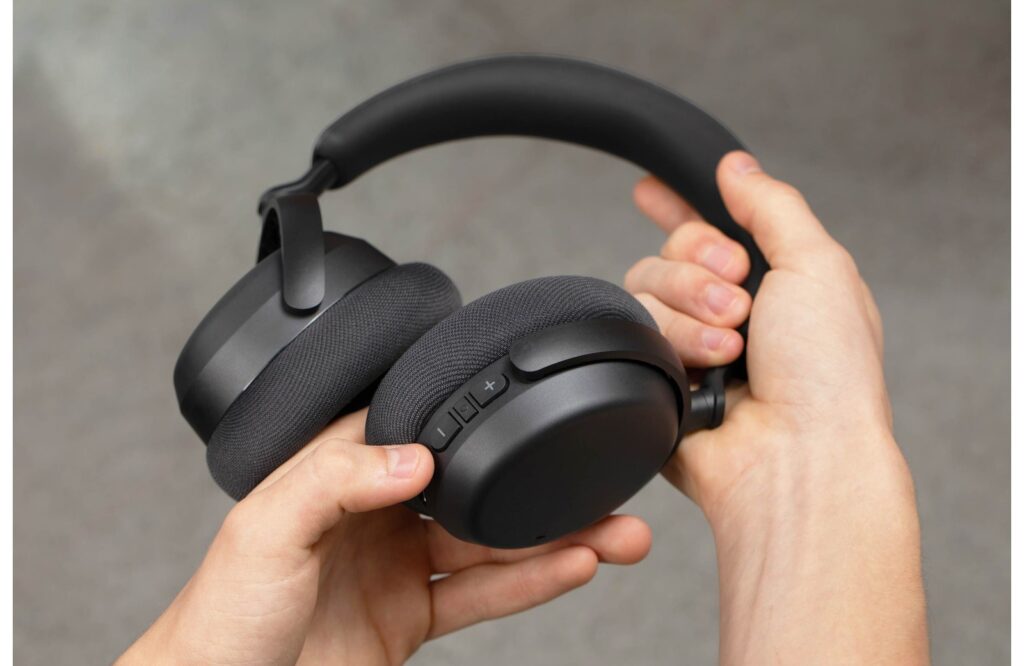
Because the transmitter and headphones use separate Bluetooth profiles, you can also pair the headphones directly with your smartphone like any standard Bluetooth headset.
The transmitter itself also allows sound adjustments, and if needed, you can reset everything by pressing the two outer buttons, which is a useful feature, especially for less tech-savvy users.
For music, the sound signature is classic Sennheiser: balanced, with present but controlled bass. The soundstage isn’t audiophile-grade, but it’s solid. What stands out most is stability: no dropouts, no noticeable latency, and no compression artifacts.
The most impressive experience, however, came from watching TV. I could hear every subtle detail in the soundtrack—far more than through standard TV speakers in a noisy environment.
Auracast is the real game-changer here. The BTA1 transmitter can broadcast audio to multiple Auracast-compatible headphones simultaneously. That’s a significant leap forward. It highlights just how far Bluetooth has come in areas where RF once had the advantage, such as reliability and latency, it no longer does.
Why Not Just Use Your TV’s Built-in Bluetooth?
Most TVs include Bluetooth, but typically older versions like 4.0. That means shorter range, higher latency, and no Auracast support. The difference in performance is noticeable.
Comparison to the RS 170 – A Real Upgrade?
The RS 170 is still a solid product, and that says a lot. But the RS 275 improves on it with better comfort, more stable transmission, app support, and a shift to modern Bluetooth LE Audio with Auracast and LC3.
At the same time, the core philosophy remains unchanged and that’s a good thing.
Conclusion
The Sennheiser RS 275 doesn’t reinvent the whee, but refines it. This is a product that clearly understands its purpose and improves in all the right places. For anyone looking to watch TV without disturbing others, for older users with hearing challenges, or simply for those who prefer headphones, this is one of the best options in its category.
And if there’s one thing I’ve learned after 18 years with the previous model, it’s this: you don’t buy headphones like these for a year, but for the long haul.