
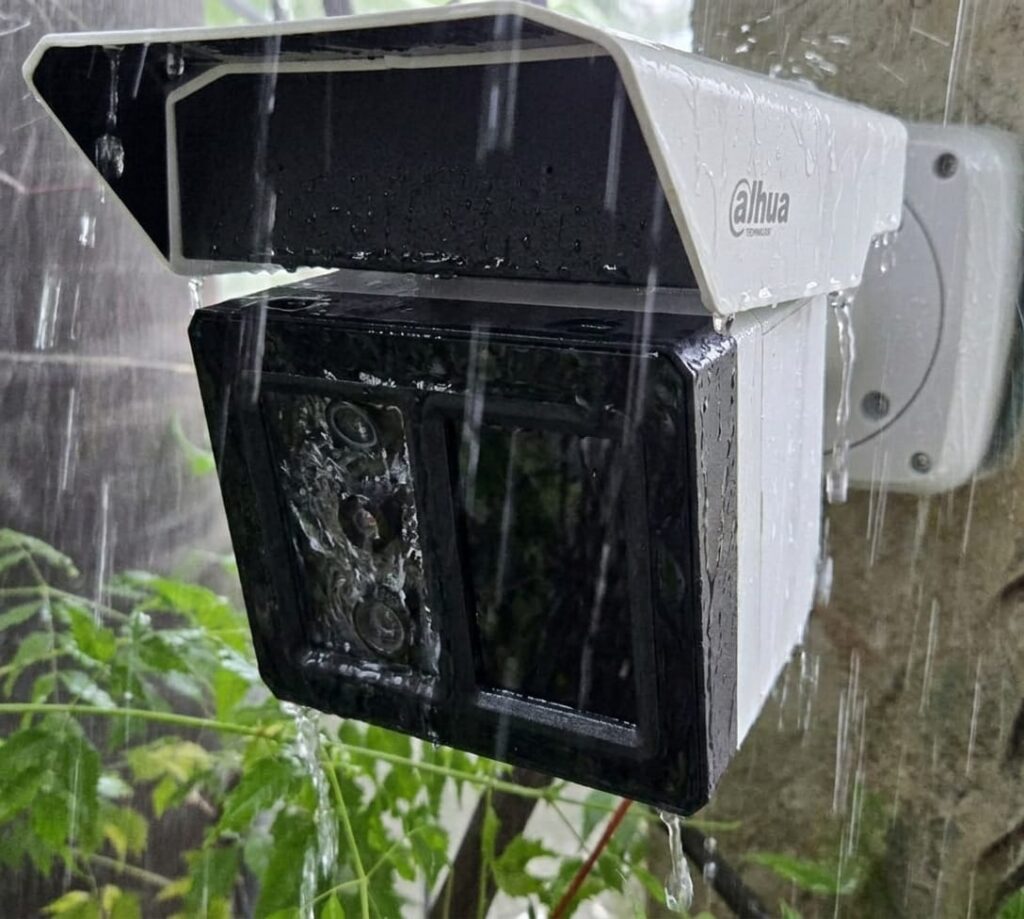
The first rains of the season can feel refreshing. Cooler air, the smell of wet pavement, the sense that a new season has arrived. But for thousands of outdoor security cameras mounted on walls, poles, and fences around the world, rain is not romantic. It is a slow, silent threat.
This is not the kind of damage that happens overnight. It builds gradually. Quietly. And eventually, it becomes expensive.
A Common Scenario
In recent years, security cameras have become a near standard feature in:
- Private homes
- Small businesses
- Apartment buildings
- Schools
- Parking facilities
A full installation can easily cost thousands of dollars once you factor in cameras, wiring, network infrastructure, recording systems, cloud services, and smart intercom integration.
Yet one of the most expensive failure points is often the most overlooked: the Ethernet connector.
Consider a typical case: A homeowner installs a comprehensive outdoor surveillance system with multiple cameras and a smart video intercom. Everything works perfectly after installation. Months later, during a rainy winter, one camera begins dropping offline intermittently. The intercom follows. After several weeks, both fail completely.
A technician opens the junction box and finds standing water inside. The enclosure was not fully sealed. More critically, the RJ45 network connection was never properly waterproofed. The sealing gasket included in the kit was either not installed or forgotten before the connector was crimped.
The result is severe corrosion. And usually, a full hardware replacement.
Proper Outdoor Installation Is Not Optional
Most outdoor IP cameras today use PoE, Power over Ethernet. That means both data and electrical power run through the same Ethernet cable.
Any exposed moisture at the connection point risks:
- Signal degradation
- Short circuits
- Heat buildup
- Accelerated corrosion
- Permanent hardware failure
Proper installation requires:
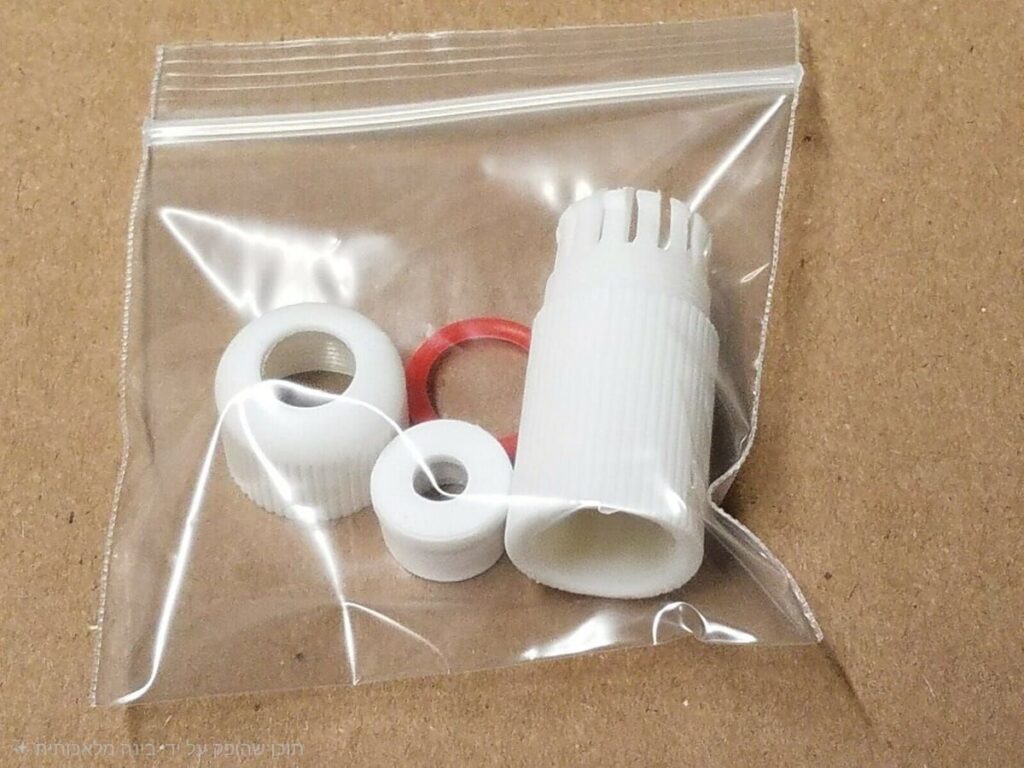
- A waterproof RJ45 sealing connector or gland
- A weather rated junction box
- Proper cable entry sealing
- Silicone or compression seals where necessary
Many manufacturers supply waterproof sleeves or threaded sealing systems designed to create a mechanical seal around the connection. The problem is that not all installers use them. Sometimes the part is missing. Sometimes it is overlooked. Sometimes it cannot be added after the cable is terminated.
What looks like a minor shortcut on installation day can turn into a full system failure two or three winters later.
The Expensive Phrase: “It Will Be Fine”
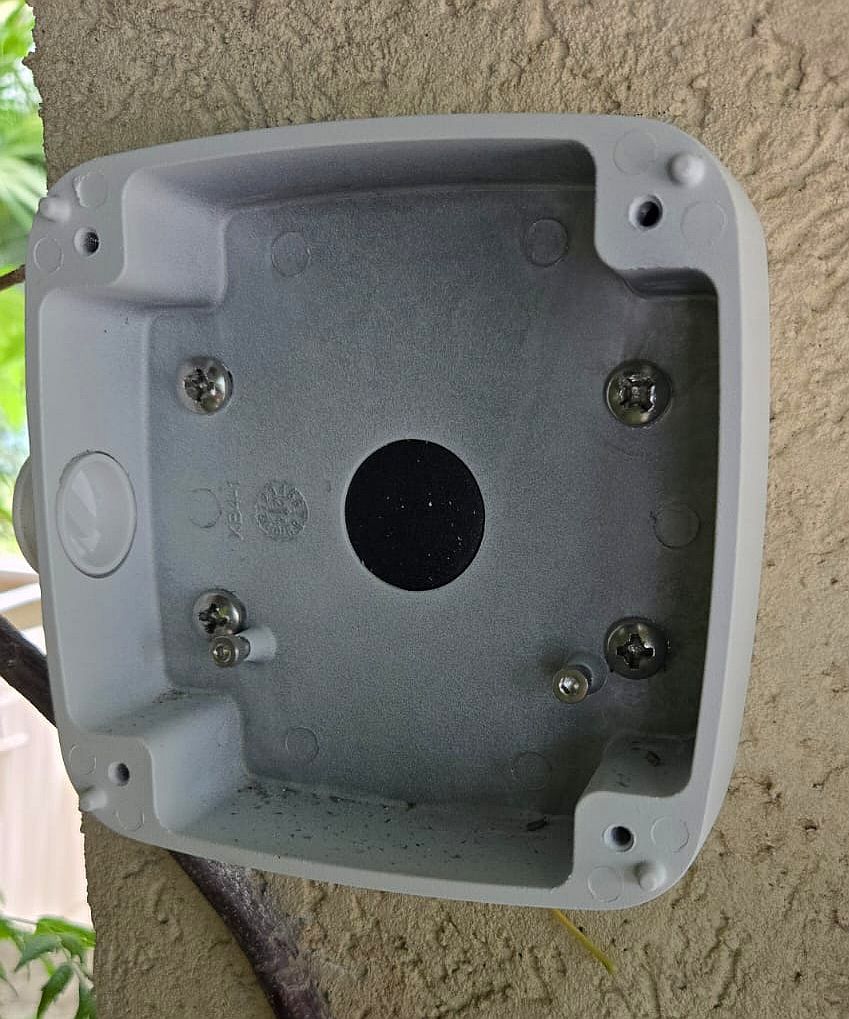
In the field, shortcuts are common. Installers may connect the Ethernet cable directly behind the camera housing or place it inside a basic plastic box that protects against dust but not real water intrusion.
Drilling through exterior walls often compromises factory sealing. Without proper waterproof treatment at entry points, moisture finds a way in. It does not take flooding to cause damage. Light condensation or repeated wind driven rain is enough.
Water enters. It stays. Corrosion begins.
The Corrosion You Don’t See
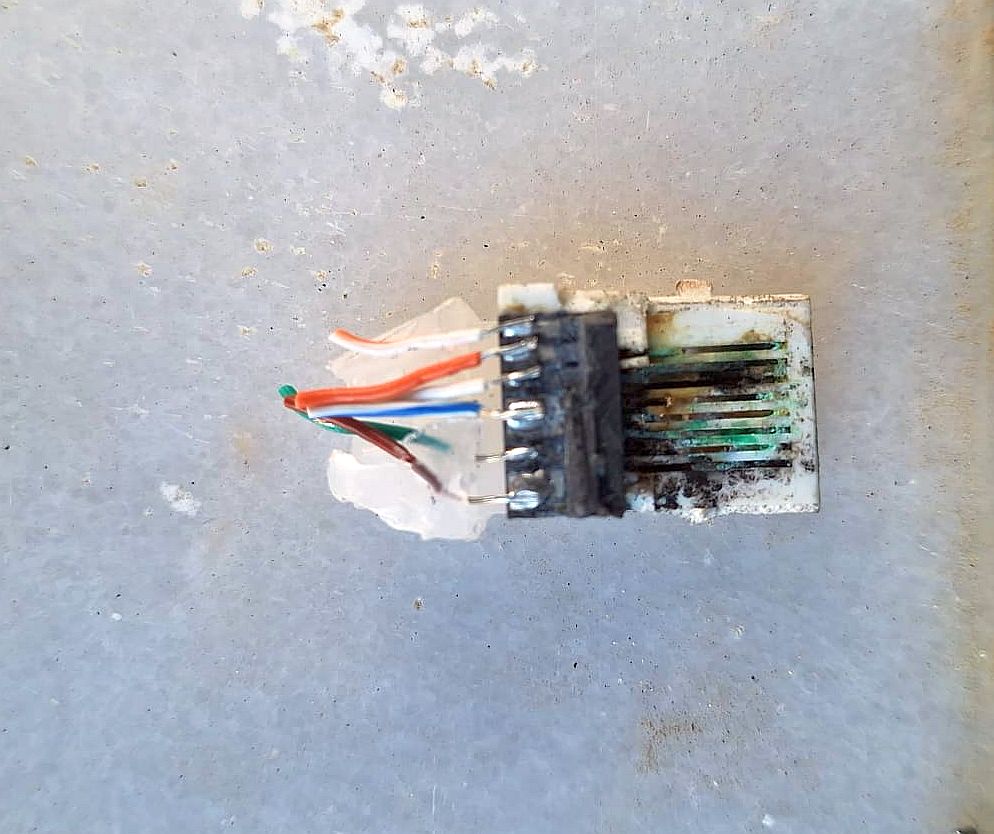
The damage starts at the RJ45 connector pins. Initially microscopic, it does not cause immediate failure. The camera continues to operate.
Over time:
- Signal interruptions begin
- The image drops for seconds at a time
- The system loses connection intermittently
- PoE voltage becomes unstable
- Heat increases at the contact points
- Metal pins weaken, deform, or break
Then one day, the camera simply stops working.
Software updates will not fix it. Rebooting will not fix it. Replacing the cable at the switch end will not fix it. The internal network port on the camera itself is damaged.
In most cases, the Ethernet connector inside the camera is not repairable. Water damage is rarely covered under warranty. The entire camera must be replaced.
A Market With Limited Oversight
Globally, installation standards vary widely. In many regions:
- There is no consistent post installation inspection
- There is no uniform enforcement of waterproofing standards
- Customers lack the technical knowledge to verify proper sealing
A clean looking installation does not guarantee a correct one. The flaw may only become visible after multiple rainy seasons, long after the installation warranty has expired.
Why Does This Keep Happening?
Common reasons include:
- Installers working under time pressure
- Waterproof components seen as optional
- Clients not requesting detailed sealing
- Damage not appearing immediately
This is a textbook example of cumulative failure. Small negligence compounds over time.
The Takeaway: Waterproofing Is Not an Extra
If there is one key lesson, it is this: An outdoor security camera without fully sealed network connections has a very short lifespan.
Homeowners and business owners should:
- Ask whether a waterproof RJ45 sealing kit was installed
- Request to see the sealed connection before closure
- Confirm the junction box is weather rated
- Ensure wall penetrations are properly sealed
A plastic box alone is not enough.
Sometimes the most expensive system failure begins with a single drop of water in a place no one thought to check.
So the next time heavy rain hits and your cameras are exposed to the elements, make sure the installation behind the scenes was done right. A small detail today can prevent a costly replacement tomorrow.