
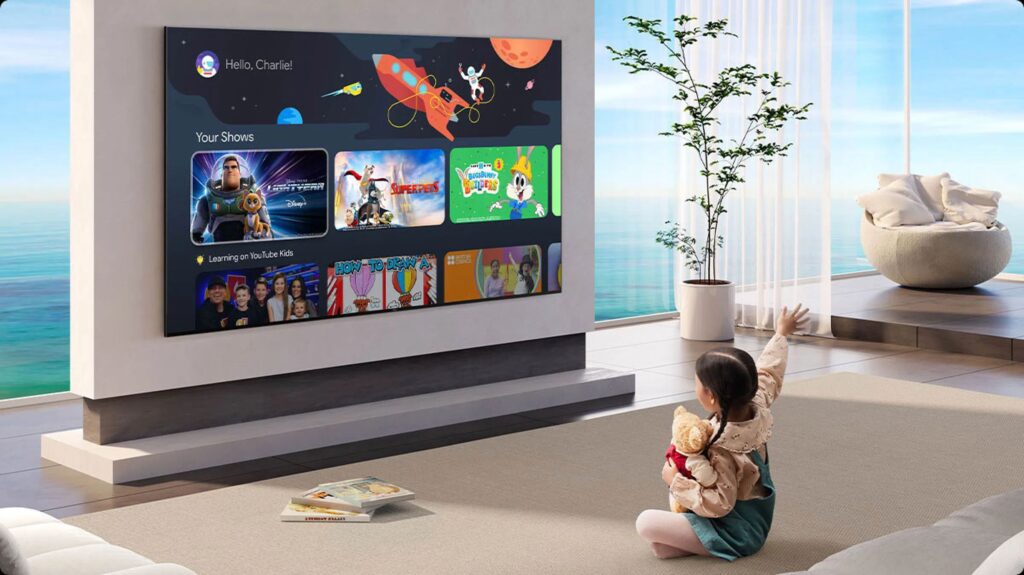
Do you also feel the ground shaking? Notice the quiet revolution in home cinema? It seems the home projector, once the undisputed king and symbol of home theaters, is now shifting uncomfortably in the face of new competition.
The advantages of giant 100–115 inch TVs are obvious: lower costs compared to high-end laser projectors, easier and more convenient use. No more “Dad, set up the projector and screen for me”. Instant TV operation, no need to darken the room, people moving in and out doesn’t disturb viewing, no complicated cable runs, and most importantly, the potential for picture quality, brightness, and HDR precision far beyond projectors.
While projector images rely on reflected light, a TV emits light actively. With such potential on paper, I decided to review a massive 98-inch TV in a home cinema setting.
OLED Limitations
While OLED technology continues to deliver an exceptionally wide color gamut and maximum contrast, its sensitivity to temperature and material flexibility limits screen sizes to 83 inches, raising costs and restricting larger displays.
QD-Mini LED
Quantum Dot Mini LED technology combines thousands of tiny Mini LED backlights with Quantum Dot filters, optimizing color accuracy. Mini LED density increases with screen size, creating more local dimming zones.
The added QD component, colored quantum dots combining nanometer-scale quantum dot crystals with organic materials in multiple layers, paired with Mini LED backlighting achieves a breakthrough in color and optical performance.
Benefits include higher peak brightness, support for giant screens up to 5,000 nits, optimal contrast thanks to the massive number of Mini LEDs, and lower production costs compared to OLED.
The main drawback of this technology is the halo effect around bright pixels, which TCL addresses through “Halo Control.”
The C7K’s Liquid Crystal panel incorporates nanometer-scale particles with polyamide, allowing precise control of light through the liquid crystal layer, improving contrast. TCL calls this CrystGlow HVA. Its coating layer also reduces reflections.
C7K Overview
I was particularly interested in the C7K, as it replaces the C755 which I previously reviewed. This model comes in sizes from 50 to 115 inches. I chose 98 inches to combine cinematic experience with a living room setup, making it highly relevant for anyone considering a projector. The C7K sold in the EU is identical in features to the QM7K model marketed in North America.
Design
The 98-inch C7K requires a thicker panel than smaller screen, about 6 cm, which is impressive for a giant display. Its width is 2.18 meters, height 1.25 meters, and it weighs 55 kg. While smaller models have a central stand, the 98-inch version has two side legs for improved stability.
The metal legs can be mounted at two heights: flush with the bottom or elevated for a soundbar underneath, secured with screws.
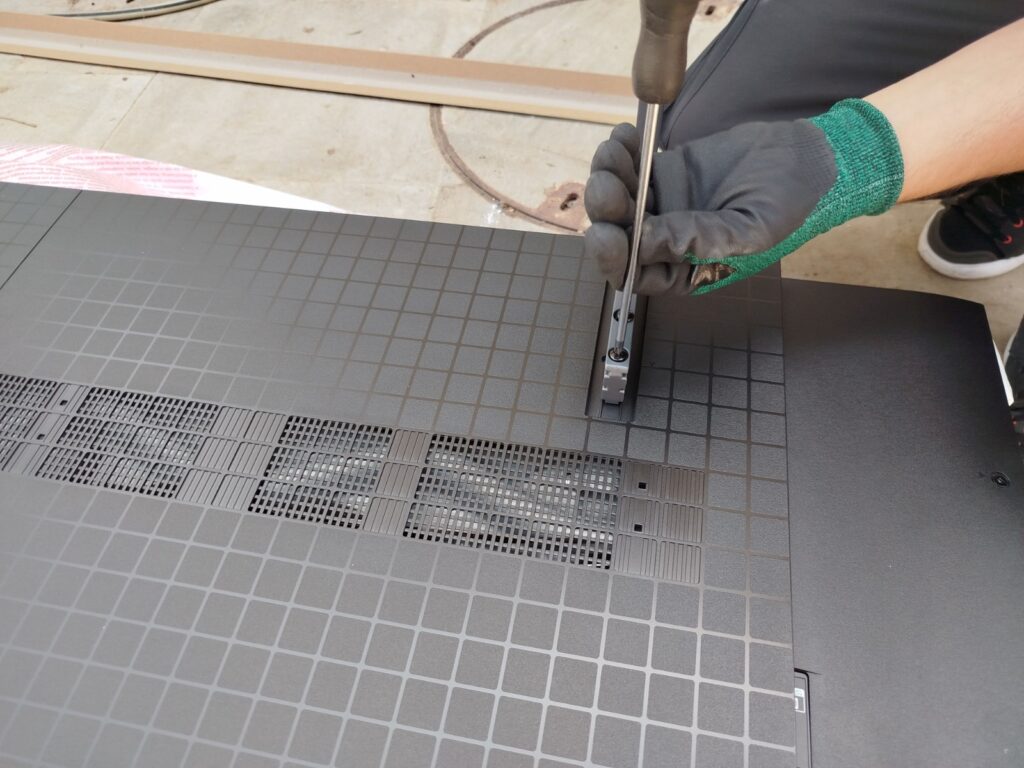
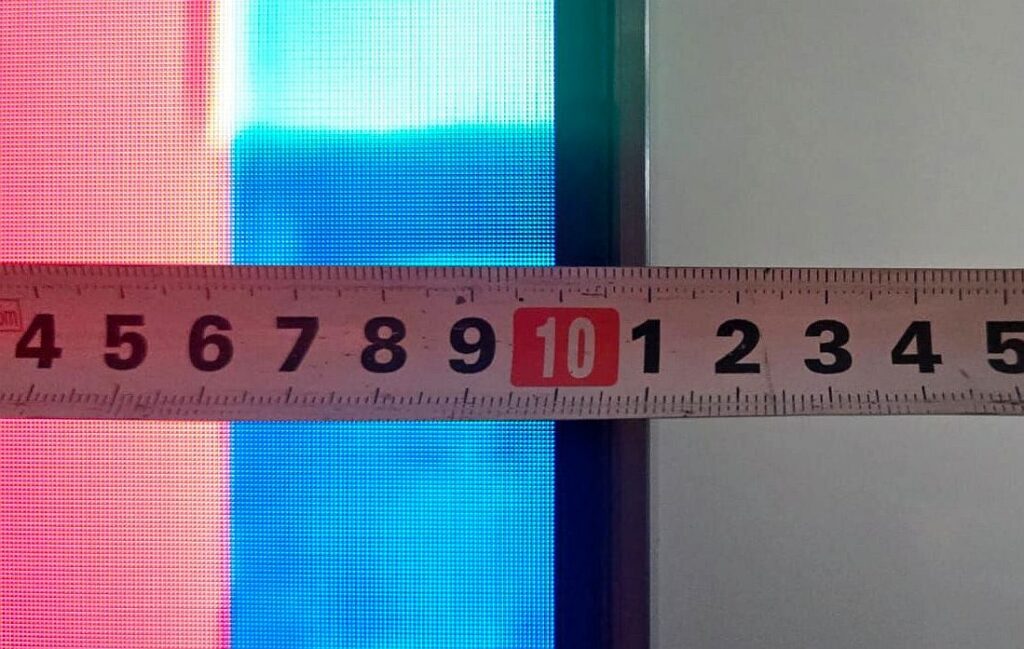
The 6 cm metal frame places the image 10 mm from the edge. From a 3–4 meter viewing distance, it appears almost bezel-less.
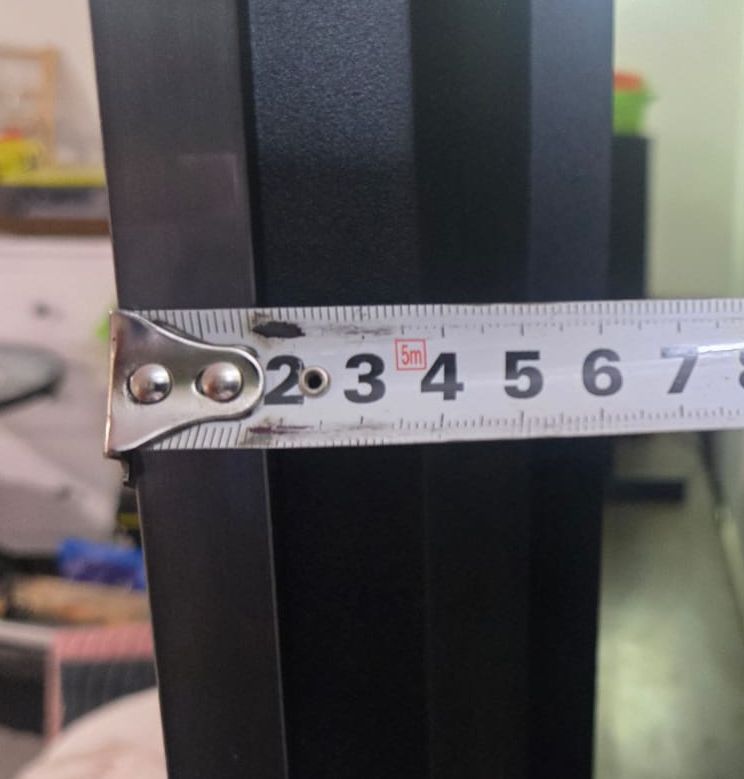
Side and bottom margins are minimal: 10 mm on the sides, 2 mm at the bottom. Speakers face backward and sideways, and all connections are on the right side, with a detachable power cable on the left. Overall, the screen feels premium and luxurious, just enormous.
Build quality is reasonable. The rear is wavy plastic, flexible mainly in the center, but this is hidden from view. Connections are inset 14 cm from the frame, allowing easy access even on wall mounts.
Unpacking a 98″ TV
Wondering how to handle such a large TV? TCL ships it carefully on a custom wooden tray tailored to its size. Delivered and installed at home, the setup is straightforward. For wall mounting, VESA 600×500 connections are used.
Initial Setup
Year by year, TCL TVs adopt a more mature and user-friendly interface. Unlike earlier models requiring lengthy software updates before setup, the C7K allows updates while in use. The setup process is smartphone-like via Google TV, intuitive and quick.
The initial boot displays the setup screen in Hebrew. A Google account connection is required, but unlike other brands, no automatic channel scanning occurs, you access sources manually. Initial network connection doesn’t require updating apps individually, reflecting the interface’s maturity.
Connectivity
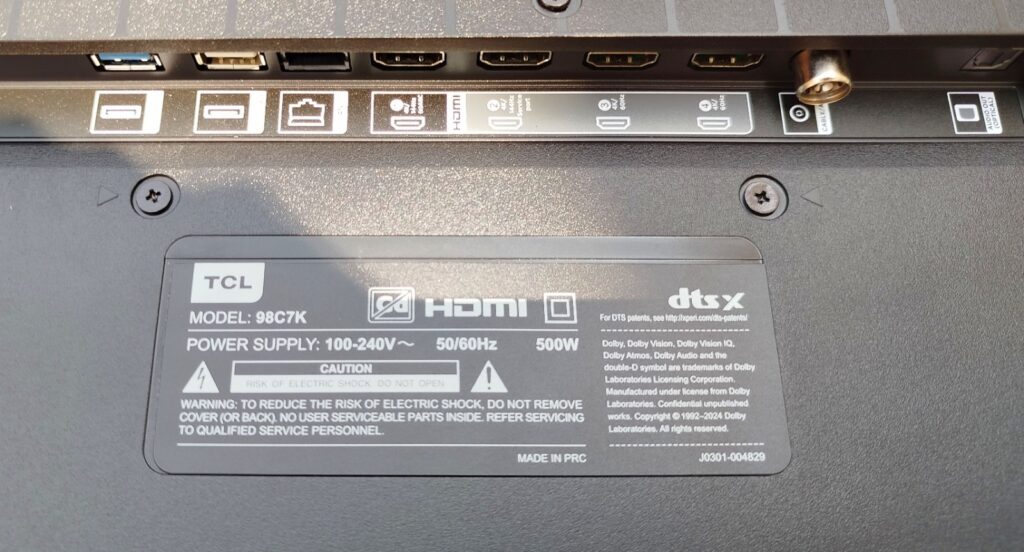
The C7K mirrors previous TCL models: with Wi-Fi 5, Bluetooth 5.4, Wired LAN, Two USB ports (2.0 and 3.0), Optical output, it covers all options.
It has Four HDMI ports:
- Two HDMI 2.1 (4K/144Hz), one supporting eARC
- Two HDMI 2.0 (4K/60Hz)
Gamers would by happy with the VRR and ALLM gaming support.
Power consumption is 500 Watts for the 98-inch model.
Google TV
TCL’s long experience with multiple OS integrations, from Amazon Fire TV to Roku TV to Google TV, ensures optimized performance. Unlike other TVs that may lag, the C7K offers smooth responsiveness.
With 52 GB of storage, larger than competitors, it runs Android TV 12 with full Google Play access. Apps from external sources can also be installed.
The home screen highlights paid movies and series based on usage history and installed streaming services. Wi-Fi connection is stable but reconnects automatically on each boot.
Live Broadcasting
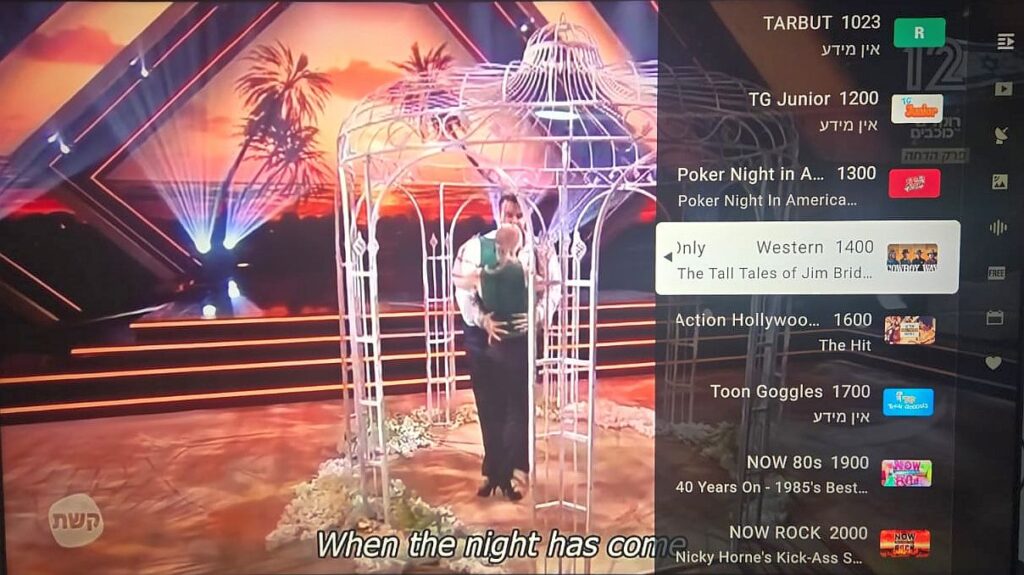
C7K provides easy access DVB-T2 broadcasts via a dedicated TV button, displaying the last watched channel with an optional program guide. USB-connected recording is supported.
TCL adds local streaming channels automatically to the broadcast list, catering to children, teens, and adults alike.
Global Streaming
The C7K supports Netflix, Amazon TV, Apple TV, Disney+, so no extra set-top box needed. Unlike Samsung TIZEN, or LG WebOS, in Google TV the apps remain updated automatically, without relying on cooperation between the TV manufacturer and the app provider.
I also streamed movies from other computers on my home network using DLNA software such as Serviio installed on a networked PC. Streaming was done through VLC installed on the TV.
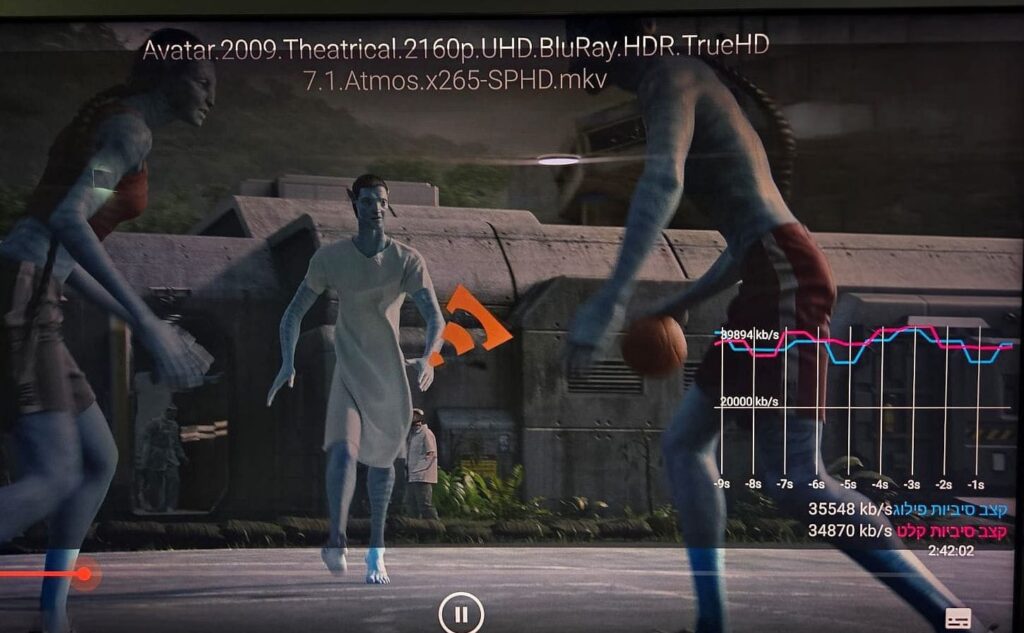
Additionally, I installed the KODI app on the TV and streamed movies stored on my home network. During testing, I found that the C7K struggled to play 4K Remux content with a bitrate above 40,000 kb/s via Kodi or VLC but could easily play content with lower bitrates, such as WEB-dl sources.
Remote Control
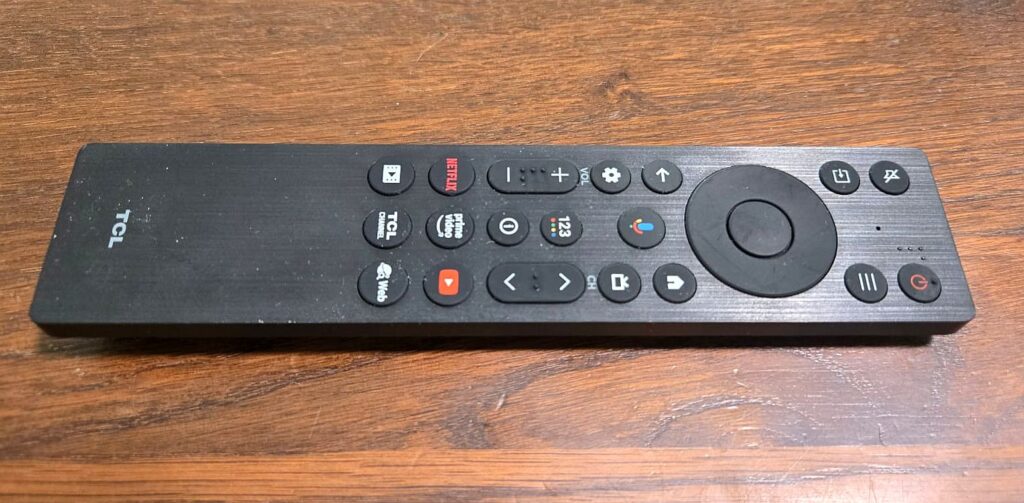
The remote is upgraded from last year’s C755: With rigid buttons, logical layout, no backlight. This year, TCL added also “TV” button for direct access to Live TV broadcasting, as well as YouTube, Netflix, Amazon TV, and TCL Channel content.
Sound Experience
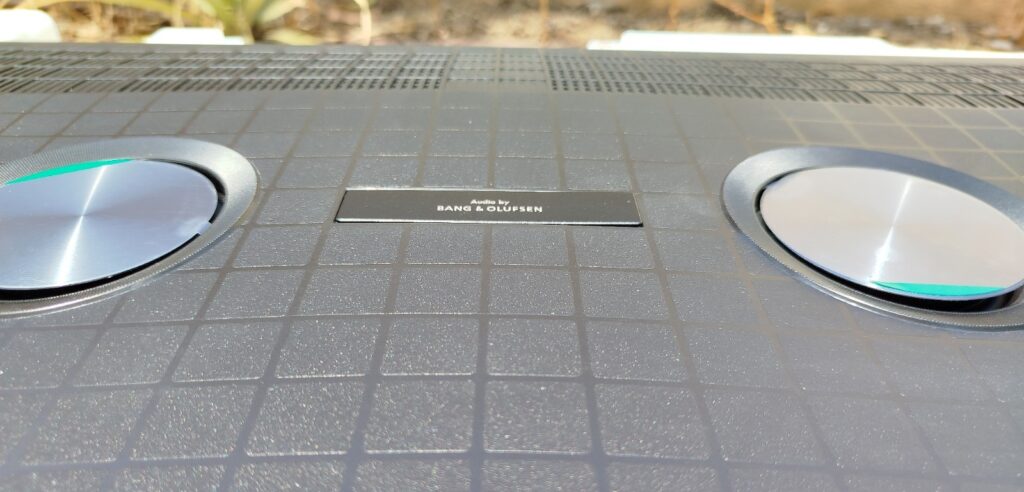
The C7K is equipped with a sound system by Bang & Olufsen, a major shift from the Onkyo branding that appeared on TCL TVs in previous years.
Now, Bang & Olufsen directly collaborates with TCL, so the speakers in this TV were developed by the same engineers who designed Bang & Olufsen’s iconic speakers. They also implemented B&O Beosonic feature, familiar from luxury headphones, allowing the sound to be customized via an intuitive interface, where Bang & Olufsen’s advanced acoustic algorithms adjust the output. You can save your preferred listening settings.
TCL notes that the C7K features a surround acoustic design, with each speaker acoustically tested at a Hi-End level, producing richer, more natural sound, full of detail and 3D audio effects. The loudness increases by 20%, and the dynamic range triples compared to previous TCL models.
In my experience, the C7K’s sound is truly exceptional, even compared to other TVs and even compared to soundbars.
For clarity, on the 98-inch model, the audio exceeds what most leading soundbars produce. Its large, thick build allows it to deliver deep, expansive sound with an enormous stage and immersive surround, much larger than typical slim TVs I’ve reviewed so far.
One advantage TCL offers over some competitors is full support for advanced formats like Dolby Atmos and DTS Virtual-X, significantly enhancing the spatial sound experience. With DTS Virtual-X, TCL provides highly immersive audio, elevating the home theater experience.
This is notable because, for example, Samsung has long omitted DTS support, and LG removed DTS support from its 2025 TVs to cut costs. TCL, by contrast, generously supports a wide array of audio codecs. The 98-inch model, being thick and large, enjoys deep sound and advanced format support.
Another innovation in the C7K is support for IMAX Enhanced, meaning it meets the certification standards for calibration, resolution, color, brightness, contrast, and sound, further amplifying the home theater experience.
The built-in speakers deliver exceptionally clear and deep sound, powerful enough for daily home use. After extended testing, pairing with a soundbar is nearly unnecessary to enhance the cinematic experience.
To test the sound during films, as I did with the C755 review, I started with the theme song from Barbie, which provides a fully immersive experience. Here, I focused purely on audio; the C7K’s sound was so deep and rich it created a completely different experience compared to typical TVs.
Next, I watched Prey (2022) to evaluate bass performance. It’s hard to describe the thrilling way the TV delivered immersive surround sound, with particularly impressive depth in the bass.
In summary, the sound quality is significantly superior to thin, small TVs and most competitors, almost entirely eliminating the need for a soundbar, as the audio experience alone is remarkable.
Picture Quality
At last we’ve reached the core of this review, as this TV is designed to provide an alternative viewing experience a projector, with a maximum TV size of 115 inches.
This screen offers several preset picture modes, which can be switched manually:
- Dynamic: Sometimes called “store mode.” Colors are enhanced, and contrast is stronger. Best for viewing in bright environments.
- Standard: Power-saving mode, recommended for daily home use.
- Intelligent: Offers improved contrast and detail.
- FILMMAKER: Ideal for watching movies in a dark room.
- Movie: Slightly brighter than FILMMAKER mode.
- Sports: Optimized for sports programs with enhanced image processing and dynamic contrast.
I found the Intelligent mode most suitable for my taste, requiring minimal adjustments. The TV’s default picture settings needed only minor tweaks, particularly in motion handling, to achieve a natural and smooth image.
The key innovation of the C7K is its screen brightness, reaching up to 3,000 nits, compared to the previous C755 85-inch screen, which reached a maximum of 1,300 nits.
Another improvement: the 98-inch C7K has 2,048 local dimming zones, whereas the 85-inch C755 had around 500 zones. On paper, this gives the C7K much greater control over brightness, resulting in higher contrast.
Unlike some competitors such as Sony or LG, which do not disclose local dimming zones or only provide partial data, TCL is fully transparent with its customers and publishes these specifications.
In terms of color volume, the C7K covers 97% of DCI-P3, compared to 96% in the C755.
The C7K is powered by the MT9653 System on Chip (SOC), which runs the operating system, and the AiPQ Pro video processor, an upgrade from the AiPQ 3 processor in the C755. TCL’s AI processor analyzes content frame by frame, applying multiple unique algorithms to optimize image quality. Adjustments are made at the pixel level for the best possible visual result.
During extended viewing, I found the C7K’s default settings not fully optimal, but the menu allows extensive control over numerous parameters. After fine-tuning the picture settings, I achieved an excellent image: balanced colors, impressive HDR, and stable visuals even during rapid horizontal or vertical motion. Blacks were not perfect, but the result was highly satisfying.
In all content I watched, when the image was fully illuminated, the wide color volume was clearly noticeable. In scenes combining light and shadow, I appreciated its precise backlight control: combining very dark images with bright subtitles preserved deep, dark edges around the text.
A main reason for the C7K’s impressive image quality is its support for multiple HDR formats, including HDR10 Plus, HDR10, and even Dolby Vision, which not all TV manufacturers implement. The result is a winning combination of high contrast and accurate colors across all movie formats.
Pixel Performance
To examine the pixel performance of the C7K, I attached an electronic microscope to the screen at 300x magnification, and later at 1,600x. The results are as follows: the pixels turn off completely in full black.
Additionally, as shown in the video starting at 0:38, when increased brightness is required, additional groups of pixels light up, dramatically boosting overall brightness..
The second video was shot at 1,600x magnification, showing that the pixels are organized into groups of 12 subpixels per color, which light up and turn off in groups of 4 pixels at a time. One can also observe the complete pixel shutdown, achieving true black.
Viewing Experience
I started with The Accountant 2, and instantly I remembered why I love Ben Affleck’s performances so much. Each HDR scene leapt off the screen, and I could see the video processor analyzing brightness frame by frame, balancing contrast so that every bright and dark object became crystal clear. Even during fast horizontal and vertical movements, the processor kept up admirably, though eagle-eyed viewers might spot minor inaccuracies in the most intense sequences.
Next, I switched to The Amateur, a masterclass in Rami Malek’s versatility. The C7K rendered skin tones naturally, while keeping vibrant colors balanced. The result was immersive and lifelike, pulling me into the story without exaggeration. Sharp, rapid movements sometimes revealed tiny inconsistencies, but the overall experience remained engaging and highly realistic.
Finally, with A Working Man, Jason Statham reminded me why he’s consistently compelling on screen. The C7K handled scenes shot in extremely low light and tricky backlit conditions, like bright sunlight streaming through a window, without faltering. Dark corners retained detail, highlights stayed crisp, and the dynamic range felt vast.
Reflections from my viewing space, which includes lights behind the couch, hardly interfere with the image. Thanks to the screen’s extreme brightness, there’s no need for blackout curtains, the picture stays vivid even in a sunlit room. In fact, the C7K thrives in well-lit spaces, making it a true living-room cinema.
Projector Alternative?
We’ve reached the million-dollar question:
can the 98-inch C7K replace a projector while maintaining the required home cinema level? My clear and decisive answer is yes, for the following reasons:
- Watching the C7K is more spontaneous; it does not require preparation, turning on a projector, lowering the screen, darkening the room, or preventing people from passing in front of the display.
- The TV provides much higher brightness than a projector, meaning the HDR effect is always spectacular.
- The C7K’s contrast is unaffected by room lighting or reflections from walls. Projector owners can forget about painting walls black. With a 98-inch giant TV, it simply isn’t necessary.
- With Google TV, you can spontaneously switch between internal and external sources, such as an external streamer, and stream from a huge variety of apps built into the TV, unlike most professional projectors which don’t allow this.
Despite these enormous advantages, projectors still have several benefits that the C7K does not yet provide:
- The 98-inch C7K provides a visually impressive image, but sharp-eyed viewers may notice that its video processor struggles with complex horizontal and vertical motion scenes. Therefore, to get the maximum performance, pair it with an external video processor for optimal results.
- Giant TVs, including the C7K, are built with a 16:9 aspect ratio, while almost all films today are in 21:9, meaning the TCL will display black bars above and below the image. In contrast, a projector can project onto a Cinemascope screen, offering a true home cinema experience, just like in a IMAX theater.
- Projectors can achieve image sizes of 160 inches or more, making them suitable for very large spaces, which a TV of this size still cannot match.
- Some people prefer the passive image produced by a projector-screen combination over the active image from a giant TV.
What about you? Which do you prefer: projector or giant TV?
Summary
If there’s one thing TCL proves year after year, is that it not only competes with other manufacturers but also breaks conventions, creating screens with cutting-edge technology and sizes not available from competitors.
The C7K proves again that TCL positions itself at the forefront of technology, and it won’t be long before TCL dominates the market.
The standout features of the C7K include: a QD-Mini LED screen with immense brightness, a high refresh rate, advanced pixel-level video processing, and premium sound – all in sizes that truly challenge the traditional home cinema setup.
[…] TCL C7K 98″ Review: A True Projector Alternative?? […]