

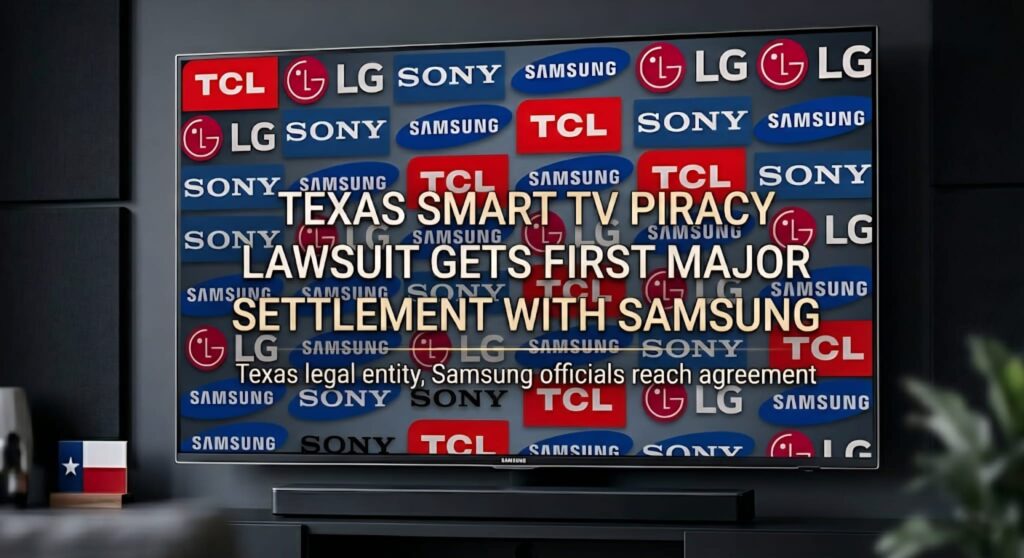
In a major development on March 3, 2026, the State of Texas and Samsung Electronics reached a settlement in a high‑profile lawsuit over smart TV data collection practices. The case, initially filed in December 2025 by Texas Attorney General Ken Paxton, alleged that Samsung’s smart televisions were collecting and processing viewing data using Automated Content Recognition (ACR) technology without obtaining clear, informed consent from users. Under the terms of the agreement, Samsung must stop collecting ACR data from Texans unless explicit consent is obtained and update its TV software to include clear and conspicuous privacy disclosures and consent screens.
This settlement is the first of its kind in this region and may set a precedent for how smart TV manufacturers worldwide handle personal data transparency and user consent. AG Paxton praised Samsung for being one of the first companies to make these changes, while litigation against other manufacturers named in the original suit remains active.
Background: The Original Texas Lawsuits
In December 2025, the Texas Attorney General’s office filed lawsuits against multiple smart TV makers, including Samsung, Sony, LG Electronics, Hisense, and TCL Technology Group. The lawsuits can be seen here. It was alleged that these companies used Automated Content Recognition (ACR) technology to collect and analyze viewing content from users’ TVs without meaningful, informed consent. ACR works by capturing periodic screenshots or audio/video fingerprints of what is shown on the screen and comparing them to a database to identify what users are watching.
Other companies such as google were also affected similarly.
According to the state’s filings, this data could be used for advertising and monetization, and in some cases was enabled by default, making it difficult for consumers to opt out. Critics described the consent flow as relying on “dark patterns,” where users had to click through many screens and menus before finding privacy information, if they ever saw it at all.
Key Allegations and Privacy Concerns
The lawsuits claimed that ACR‑based tracking went far beyond simple viewing analytics:
- Manufacturers allegedly enrolled users in data collection systems by default, without explicit, informed opt‑in before collecting data.
- The collected data could include sensitive personal information visible on or around the screen, such as streaming habits, passwords, financial content, or other private details.
- Texas law enforcement contended that this practice violated the Texas Deceptive Trade Practices Act (DTPA) because consumers were not properly informed about what data was being collected or how it was used.
Concerns were heightened for brands headquartered outside the U.S., where foreign government access to personal data could be mandated by local law, raising geopolitical privacy issues.
In some instances, the state even obtained a temporary restraining order against Samsung early in the legal proceedings to halt data collection until the matter could be examined by a court. That order was later vacated, but the litigation continued.
What Is Automated Content Recognition (ACR)?
ACR is a privacy‑sensitive technology used in smart TVs to identify content by analyzing brief snippets of audio and video from what is displayed on the screen. It can detect what is being watched on streaming services, broadcast TV, or even external devices connected via HDMI. �
The mainstream use case for ACR has traditionally been content personalization or more targeted recommendations. However, privacy experts have warned that it can also be used to build detailed viewer profiles, track viewing habits over time, and share that data with third parties for advertising or analytics. �
Industry and Regulatory Implications
This lawsuit and settlement come amid growing global scrutiny over how technology companies collect and handle user data. Regulators in the U.S., Europe, and other regions are increasingly passing stricter privacy laws requiring:
- Clear disclosure of what data is collected.
- Informed and explicit consent before any personal data is processed.
- Easier and genuinely understandable opt‑out mechanisms for consumers.
Cases like this could define what constitutes meaningful consent in smart devices, especially for Internet of Things (IoT) products that are prevalent in homes.
How It Could Affect Other Smart Devices
If smart TVs are found to collect data without adequate consent, it raises questions about other connected household devices. Smart speakers, security cameras, and other internet‑connected products often collect data for personalization or analytics. Many privacy advocates argue that explicit consent standards should apply across all smart devices, not just phones or computers.
What This Means Going Forward
The Samsung settlement signals that regulators are willing to enforce higher standards of transparency and user control in connected consumer tech. While Samsung has agreed to update its consent mechanisms and stop ACR data collection without permission in Texas, lawsuits against Sony, LG, Hisense, and TCL Technology Group are still ongoing, and those companies have not yet reached similar agreements.
Given the rising focus on privacy rights and consumer data protections globally, this case could serve as a benchmark for how smart TV manufacturers and other IoT makers must respect user consent and privacy disclosures in the future.
In Summary
The recent settlement between Samsung and the Texas Attorney General marks an important shift in how smart TV data collection practices are regulated. By requiring explicit consent and clearer disclosures, it reinforces the need for greater transparency and consumer control over personal data in smart devices. With ongoing lawsuits against other major manufacturers, the outcomes of these cases may further shape consumer privacy standards across the technology industry.