
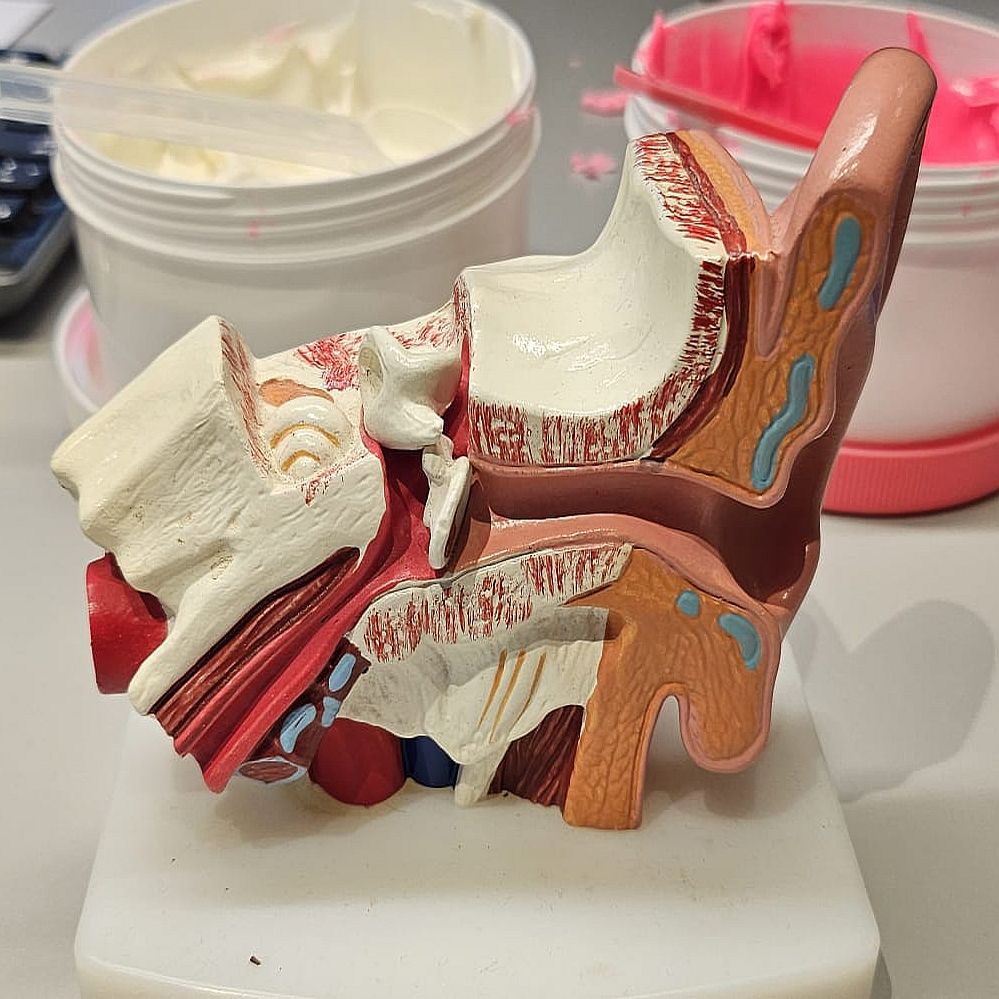
This article is the second in a series focusing on the diagnosis of hearing loss, available treatment options, and the added value for people who enjoy listening to music. You can read the first article here:
As previously mentioned, hearing loss can stem from a wide range of causes across the human lifespan: from genetic conditions, infections, ear diseases, and meningitis, to trauma affecting the ear or head, prolonged exposure to noise, earwax buildup, medications that may impair hearing, and ultimately age-related hearing decline.
If you have been diagnosed with age-related hearing loss caused by neural damage involving the inner ear, the standard treatment is the use of hearing aids.
Types of Hearing Aids
Hearing aids have undergone remarkable technological advancements in recent years. In the past, programming was performed manually by adjusting small dials on the device itself. Today, hearing aids are digitally programmed remotely and can be adjusted at any time by an audiologist, or by the user with a dedicated smartphone app.
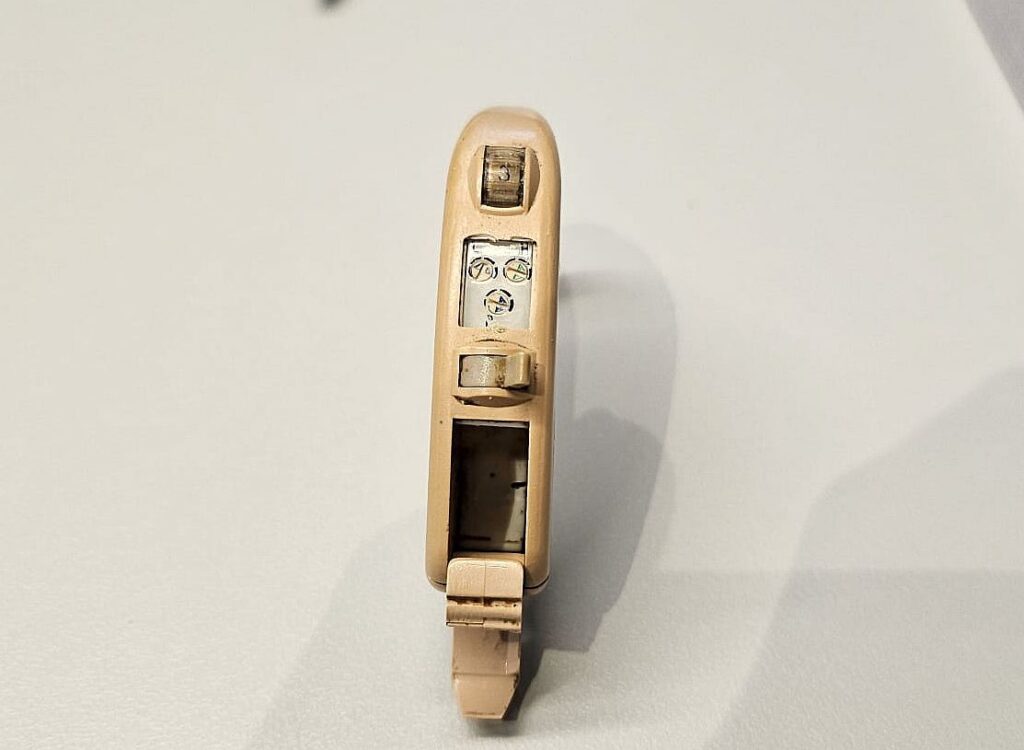
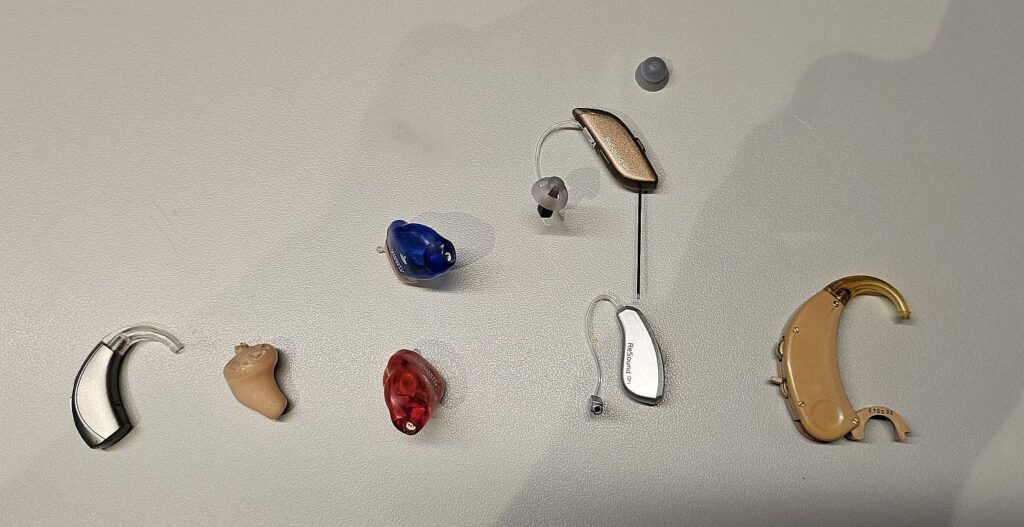
Hearing aids are generally divided into three main categories:
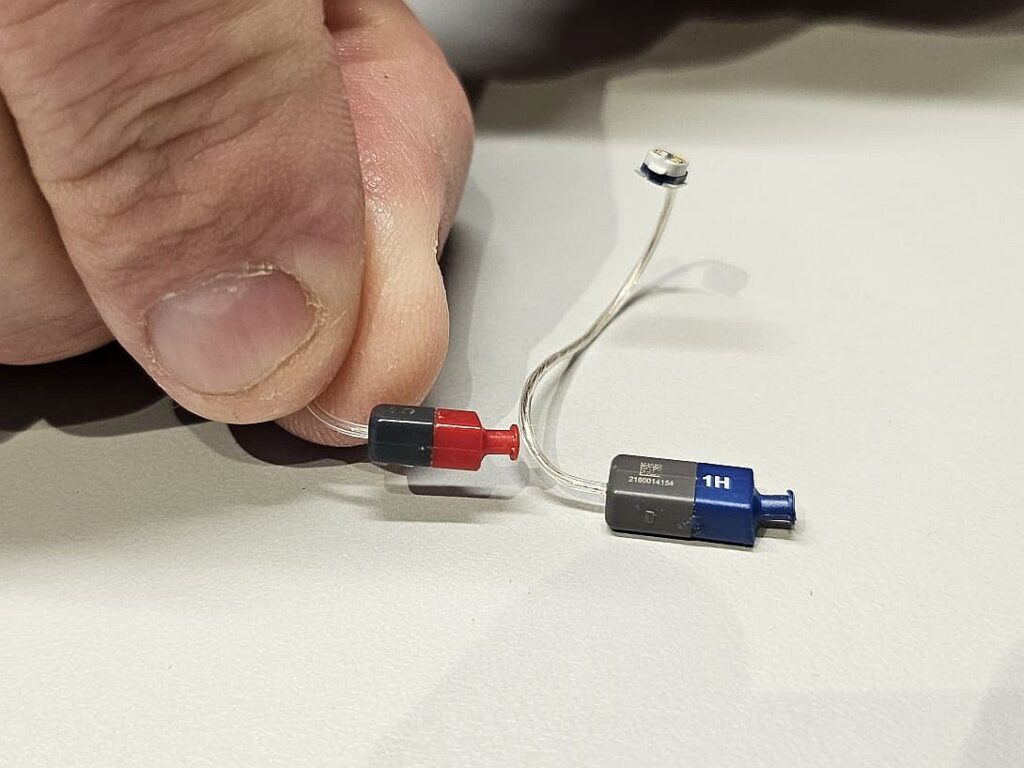
1. Behind-the-Ear (BTE): These devices are positioned behind the earlobe, with a thin, transparent tube that extends into the ear canal. Because they are relatively larger, they are easier to handle and operate. In addition, they can incorporate up to three microphones: The first is omnidirectional (Omni) microphone that captures sound from all directions. The second is forward-facing microphone that focuses on sounds coming from in front of the user, and the third is positioned in the ear canal to help simulate more natural hearing.
The combination of these microphones improves the signal-to-noise ratio, enabling these devices to perform better even in crowded or noisy environments.
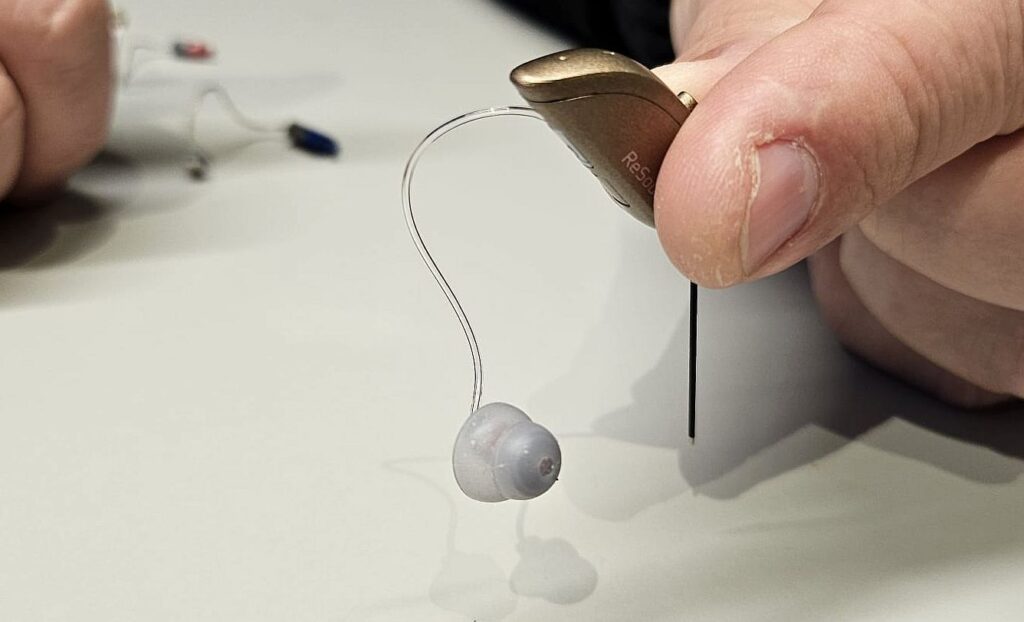
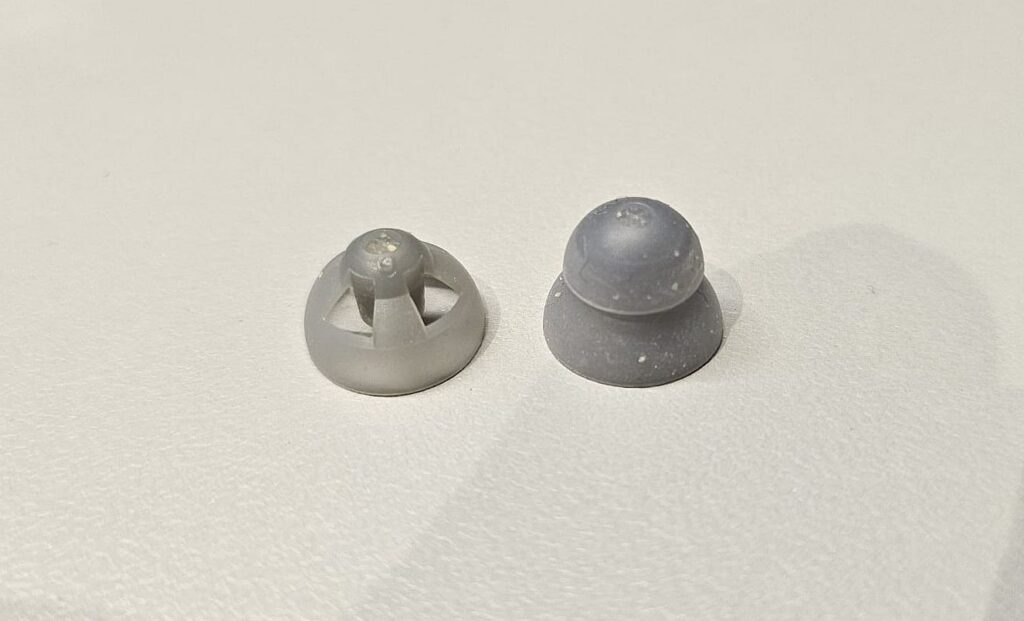
Just like true wireless earbuds, BTE hearing aids use a silicone ear tip that houses the speaker transmitting sound into the ear. There are two types of silicone tips:
- Closed (sealed): Allows the user to hear only the sounds processed by the hearing aid, intended for individuals with hearing loss across all frequencies
- Open or semi-open: Allows the user to hear both amplified sound from the device and natural sounds entering through openings in the silicone tip. In this case, the hearing aid is programmed to amplify only the frequencies that require correction
2. In-the-Ear (ITE): ITE devices fill the entire outer ear cavity. Since they are manufactured as a single molded unit that fits into the ear in only one orientation, they are especially suitable for users who may find very small devices difficult to manage. However, they are more visible and therefore less discreet. These devices can also include more than one microphone, allowing them to perform well in noisy environments.
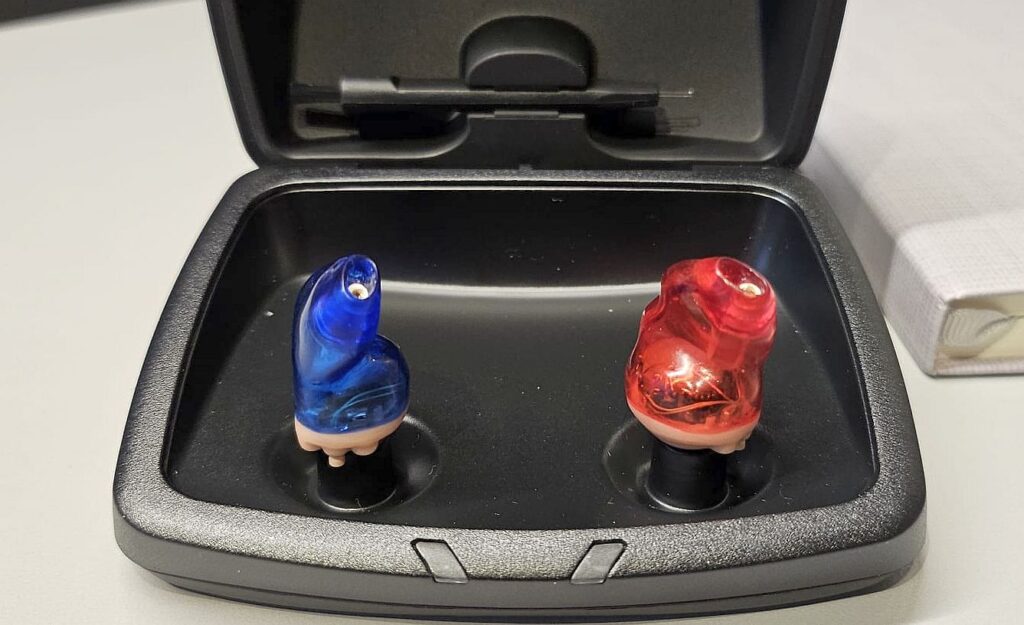
3. Completely-in-Canal (CIC): These devices are small enough to fit deep in the ear canal, positioned close to the eardrum. They take advantage of the natural structure of the human ear, where the outer ear acts as a funnel that enhances sound.
CIC devices are completely hidden, as they sit entirely in the ear canal and are not visible externally. Due to their compact size, they operate on very small batteries, which may require dexterity to replace. Because of their placement, they are also more sensitive to moisture-related damage.
They are not suitable for everyone and tend to perform best in cases of relatively mild hearing loss. Typically, they include only a single microphone, which results in a lower signal-to-noise ratio compared to BTE devices.
Which Hearing Aid Is Right?
Each type of hearing aid described above comes with its own advantages and limitations. Choosing the right device depends on several factors:
- Severity of hearing loss
- Size and shape of the ear
- Comfort with adopting new technologies
- Preference for a visible versus discreet device
Some hearing aids are rechargeable, though this often comes at the cost of a bulkier design compared to models that use disposable batteries. Some devices connect to smartphones via Bluetooth and can be controlled through an app, while others operate independently.
Types of Microphones
As noted, every hearing aid includes an omnidirectional (Omni) microphone, while some also feature a directional microphone that focuses on sounds coming from in front of the user.
An Omni microphone captures all sounds around the listener: from a loud fan behind you, to a drone overhead, to voices in a crowded room. This allows you to hear distant sounds such as a passing car, a TV playing in the background, a knock on the door, or a dog barking outside.
However, challenges arise in noisy environments such as restaurants. In these situations, an Omni microphone alone may not be sufficient.
This is where directional microphones become essential. A directional microphone focuses on sounds coming from a specific direction, typically in front of the user, and amplifies them. Adaptive directional microphones go a step further by emphasizing speech frequencies over background noise.
More advanced versions incorporate sound processors that enhance speech and can even “track” it as it moves around the room. For example, a hearing aid may focus on the person sitting in front of you, but if someone behind you begins speaking, the device can detect the new, nearby speech signal and expand its pickup range, without requiring you to turn your head.
The concept behind combining multiple microphones mirrors natural human hearing: we perceive sounds from all directions and then orient ourselves toward what interests us. Similarly, the Omni microphone provides environmental awareness, and when you turn toward someone speaking, its input may be temporarily reduced to allow the directional microphone to focus on that conversation.
In young children, however, hearing aids typically rely only on Omni microphones, since their growth and development depend on exposure to a wide range of auditory stimuli from all directions.
Microphone Placement
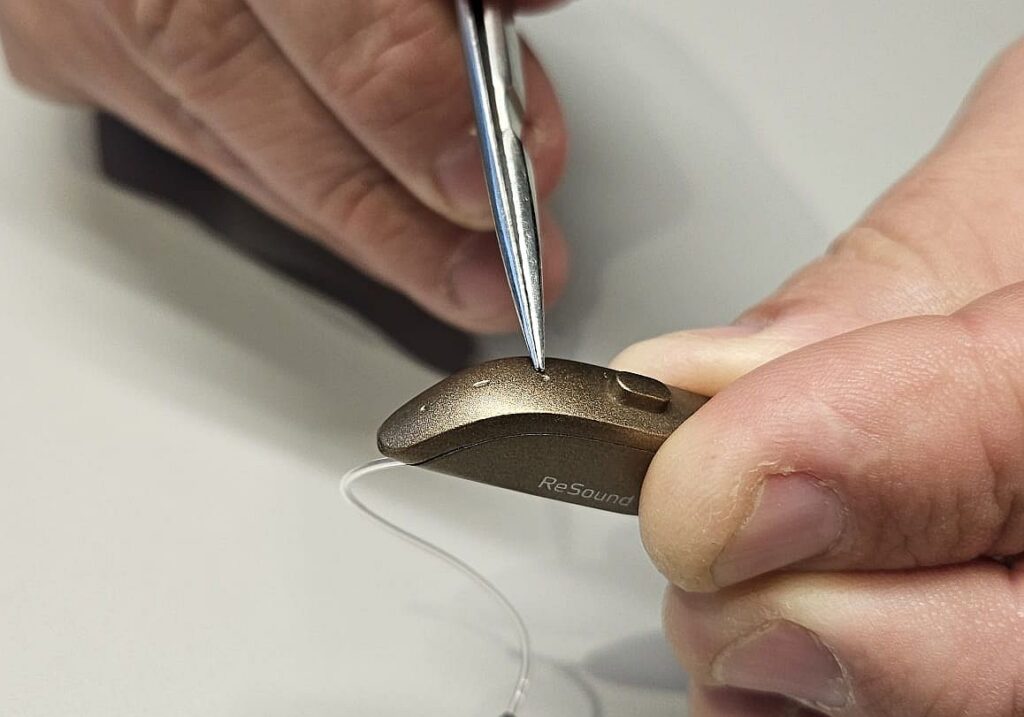
When a hearing aid includes more than one microphone, they must be positioned at a minimum distance from each other to prevent feedback. This requirement also explains why very small devices typically include only one microphone.
This spacing creates a tiny time difference between when sound reaches each microphone. The hearing aid’s sound processor detects and calculates this difference, enabling it to determine the direction from which sounds originate.
In typical usage, the processor amplifies important sounds such as speech or music while reducing unwanted background noise. Sounds coming from directly in front of the user receive the strongest amplification, as this is where the listener’s focus is usually directed.
Frequency Range
Audio enthusiasts know that humans can detect frequencies ranging from 20 Hz to 20 kHz. So why do hearing aids and adult hearing tests typically extend only up to 8,000 Hz?
It is clear that frequencies above 12,000 Hz are not meaningless. While they are not critical for understanding speech, they contribute significantly to the richness and spatial qualities of music, which is why modern recordings are often available in high-resolution formats.
The explanation is multifaceted. Infants can hear frequencies even higher than 20,000 Hz, but sensitivity to these high frequencies declines with age. Many adults cannot hear above 12,000 Hz, except at levels that may already be uncomfortable.
Those with hearing loss typically cannot hear frequencies above 8,000 Hz at all, or their brains can no longer effectively distinguish between such high frequencies.
There are also technological limitations. Current hearing aids struggle to accurately reproduce frequencies above 8,000 Hz. Amplifying very high frequencies can introduce distortion, and the level of amplification required for audibility may result in feedback.
With continued technological advancement, these limitations may be addressed in future generations of hearing aids.
Since hearing aids are primarily designed to improve speech comprehension, and speech frequencies generally fall below approximately 5,000 Hz, hearing tests are typically conducted up to 8,000 Hz.
Ear Impressions
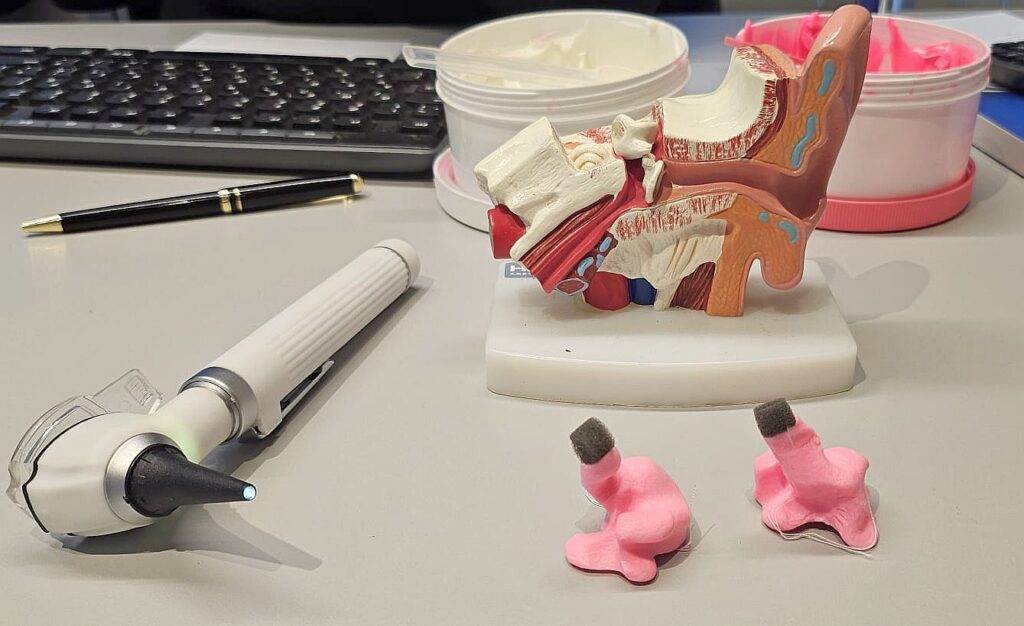
To create a hearing aid tailored specifically to the user, a 3D model of the ear canal is produced. For this purpose, the audiologist mixes two compounds that, when combined, behave similarly to an epoxy.
First, a small foam block attached to a string is inserted into the ear canal. The mixed material is then injected into the canal and gently pressed into place. After approximately 30 seconds, once the material has hardened, the impression is removed with the string.
Ordering
Although my own hearing loss is not severe enough to require a hearing aid, I was very interested in testing one to evaluate its added value. I asked Audio Medic to allow me to try the device over an extended period, so I could assess its benefits in everyday life as well as while listening to music, in an opera house, a concert hall, and at home.
For this purpose, Audio Medic ordered for me the most advanced model from Starkey: the Evolv AI 2400 in a CIC configuration (completely in the ear canal). The order is placed through an online system shared by multiple hearing aid manufacturers. During the process, the device color is matched to the user’s skin tone.
The Evolv AI 2400 includes 24 frequency channels, enabling extremely high-resolution control across the audio spectrum. Dividing the frequency range into many channels allows each one to be analyzed and processed independently, similar to bands in an equalizer, where specific frequency ranges can be adjusted individually.
This enables more precise correction of the frequencies affected in each user. In addition, the device allows control over sound profiles באמצעות a dedicated app.
In the next chapter, I will share my hands-on experience using the device.