

The Garmin fēnix 9 has arrived today as the newest generation of Garmin’s flagship multisport GPS smartwatch family, bringing a broader set of upgrades to training, navigation, endurance tracking and connectivity, while the new fēnix 9 Pro pushes the series further with a titanium case, brighter AMOLED displays, solar charging options and phone free LTE and satellite connectivity. Garmin officially introduced the new lineup on August 25, with the fēnix 9 starting at $999.99 in the United States and the fēnix 9 Pro starting at $1,099.99, putting the new generation firmly in the premium smartwatch category.
The new Garmin fēnix 9 comes in 43mm, 47mm and 51mm sizes, giving buyers more flexibility than ever when choosing the size of a watch that is designed as much for long days outdoors as it is for everyday use. The standard fēnix 9 features an AMOLED display that Garmin says is twice as bright as the previous generation, along with a scratch resistant sapphire lens, leakproof buttons and a dive rating of up to 40 meters, making the watch better suited to users who expect their smartwatch to survive far beyond the gym.
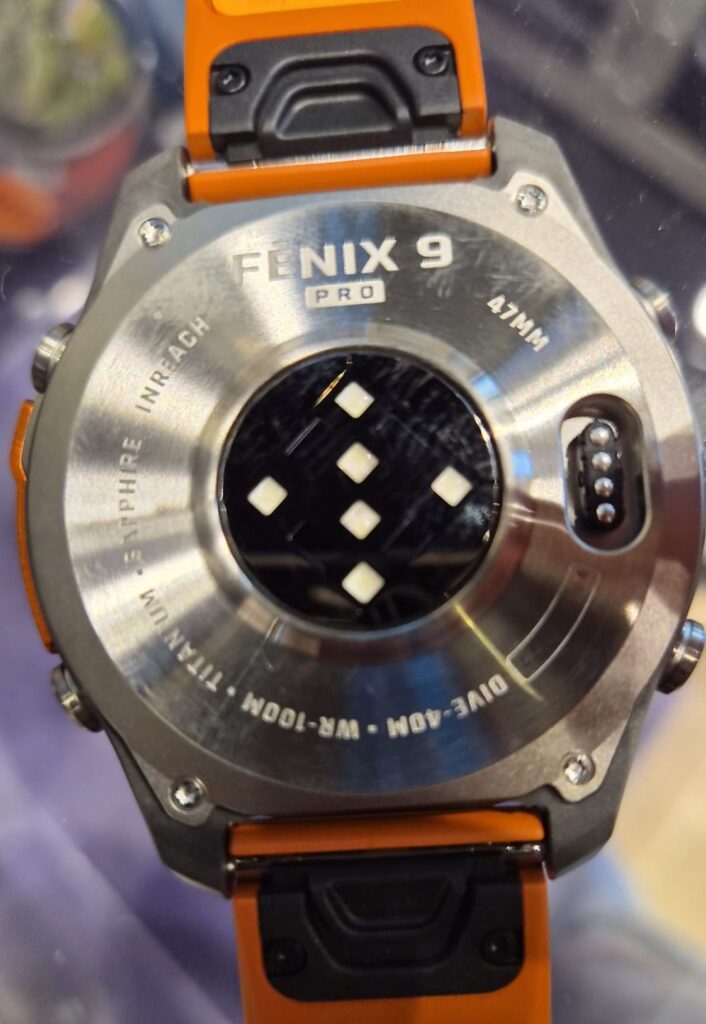
Garmin fēnix 9 Turns Activities Into Stories
One of the more unusual software additions is Garmin Epic, a new feature inside Garmin Connect that allows users to combine multiple activities into a single story. A backpacking trip, a cycling stage race or a strength training program can now be grouped together even when the activities were recorded across several days, weeks or months, with health and performance information appearing alongside photos and other memories that can then be shared with friends and family.
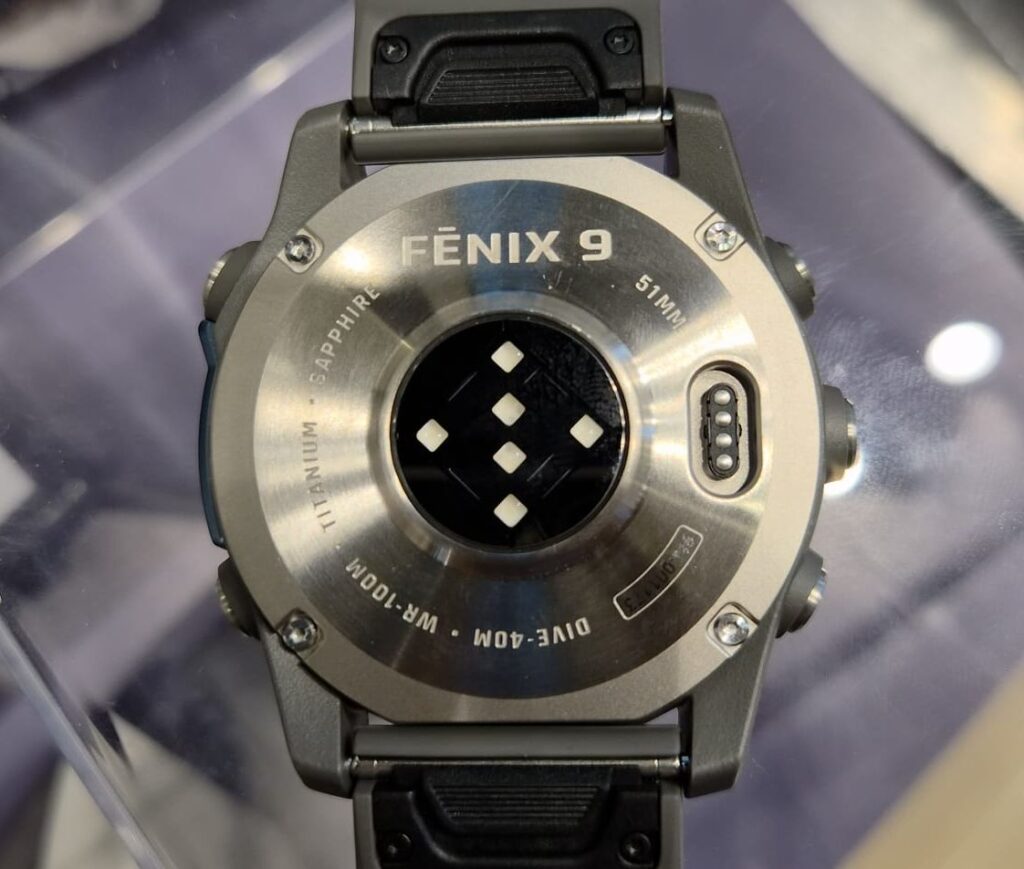
Garmin is also expanding the way the fēnix 9 measures endurance, adding Stamina Zones and a Stamina Curve to its existing stamina tracking tools. Instead of looking only at what is happening during a single workout, the new features are designed to show how endurance changes over time as fitness improves and training history accumulates, giving athletes another way to understand their progress and manage effort during demanding activities.
The company is expanding its training tools beyond the traditional running and cycling audience as well, adding VO2 Max and power curve information for indoor rowing while giving rucking workouts more control over pack weight, GORUCK workouts and target metrics, with support for pack weights of up to 100 kilograms.
Better Maps, More Storage
Navigation has received one of the more substantial hardware upgrades in the Garmin fēnix 9. Garmin says the new watch has 50 percent more RAM than the fēnix 8, combined with a redesigned and more powerful mapping engine that can make map panning up to 30 percent faster. A new Perspective View is also intended to give users a better sense of what is ahead by showing more detail both close to the user and farther along the route.
The watch also includes 64GB of storage, which Garmin says allows adventurers to download twice as many maps as they could on the fēnix 8 while storing up to 7,000 songs directly on the watch. For hikers, runners and travelers who would rather leave their phone in a backpack, that combination makes the fēnix 9 more capable as a standalone device.
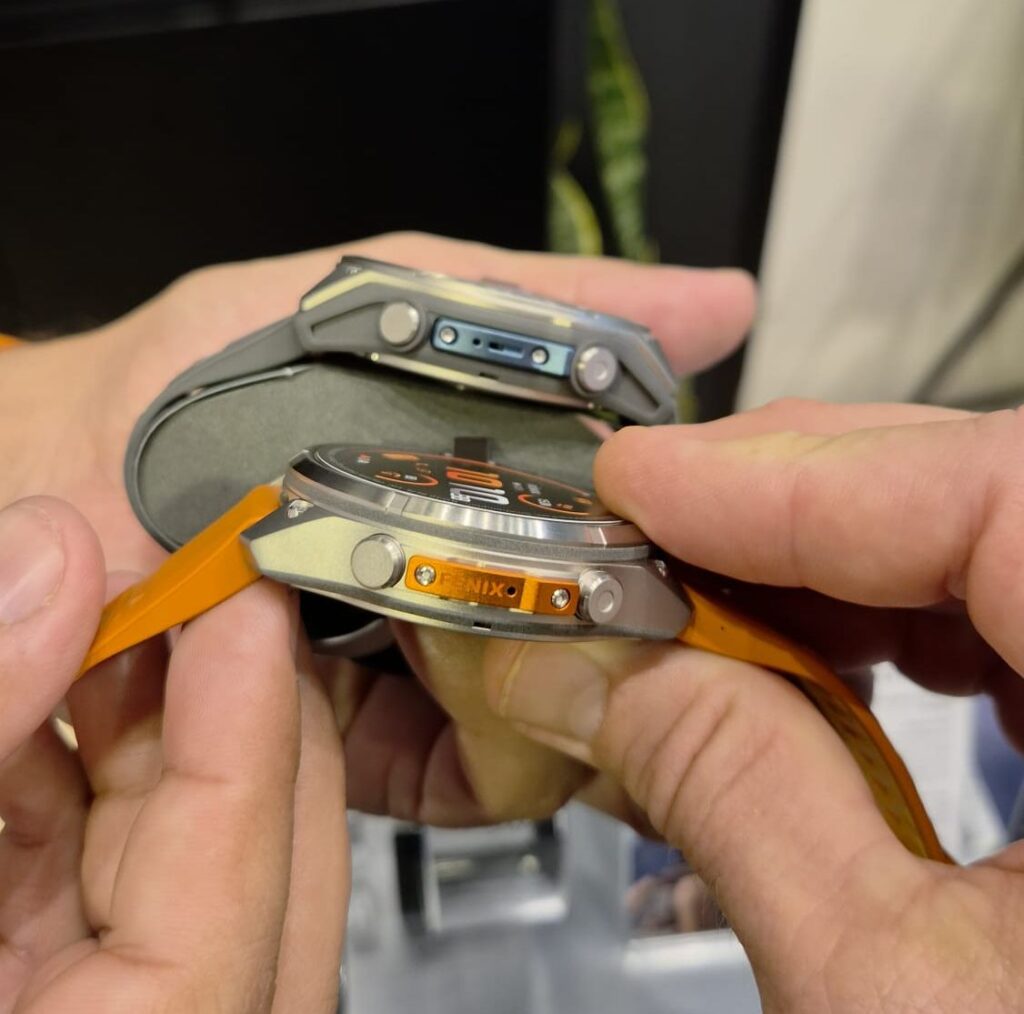
The fēnix 9 Pro Goes Titanium
The biggest physical change comes with the Garmin fēnix 9 Pro, which is the first fēnix model to use a titanium watch case. Garmin says its nano molding process combines metal and plastic at the molecular level, allowing the company to create a structure that combines durability and a premium appearance while keeping the watch relatively light.

The Pro models also raise the brightness of the AMOLED display to as much as 3,000 nits, which should make maps and workout information easier to read in direct sunlight. The 51mm version introduces Garmin’s largest fēnix AMOLED display yet, measuring 1.5 inches, a 15 percent increase over the fēnix 8 without increasing the size of the watch case. Selected Pro models also offer solar charging, while the built in LED flashlight gains a green light mode intended to help preserve night vision.
LTE and Satellite Connectivity Without the Phone
The most significant change for people who spend time away from their phones comes with the inReach enabled fēnix 9 Pro models. Garmin has integrated LTE and satellite connectivity into selected Pro watches, allowing users to make calls, send messages and access SOS services directly from the wrist, although an active inReach plan is required and Garmin notes that LTE coverage is not available everywhere.
Garmin is also introducing Garmin Locate, which allows friends and family to see a user’s location through Garmin Messenger when LTE is available, while LiveTrack notifications can alert contacts when an activity begins and allow them to follow along. Weather forecasts for a specific location can also be delivered to the watch through satellite connectivity, adding another practical tool for people heading into areas where a phone may not be reliable.
Unlike a traditional cellular smartwatch that is designed to stay connected constantly, Garmin’s approach is clearly focused on specific situations where independent connectivity matters most, including outdoor adventures, emergency communication, location sharing and keeping in touch while leaving the phone behind.
Battery Life Remains a Major Advantage
Battery life remains one of the strongest arguments for the fēnix family. The 51mm Garmin fēnix 9 can provide up to 29 days in smartwatch mode, while the fēnix 9 Pro reaches up to 31 days with its largest AMOLED configuration. Garmin’s solar charging models can reach up to 57 days of battery life under specified conditions, although actual endurance will depend heavily on GPS use, connectivity, display settings and other features.
The pricing reflects the premium positioning. In the United States, the Garmin fēnix 9 starts at $999.99, while the fēnix 9 Pro starts at $1,099.99. Current launch pricing reported for the Pro lineup ranges from about $1,099 without inReach connectivity to $1,299 for larger configurations with inReach, depending on size, solar charging and connectivity options.
Garmin is not trying to reinvent the fēnix formula with this generation, and that may actually be the point. The Garmin fēnix 9 takes the foundation established by the fēnix 8 and pushes almost every part of it further, with better displays, faster mapping, more storage, expanded endurance metrics, more sophisticated training tools and a much stronger argument for leaving the phone behind. The fēnix 9 Pro adds the premium titanium construction and, in selected versions, the kind of satellite and LTE connectivity that can make a difference when an adventure takes you well beyond the reach of a conventional smartwatch.
For athletes and outdoor users who already live inside the Garmin ecosystem, the new generation looks less like a radical change and more like Garmin refining a formula that was already difficult to beat, while making the fēnix 9 a more capable computer for the wrist, whether the day involves a structured workout, a remote trail or simply leaving the phone in the bag for a few hours.